
Ecosystem services refers to the ways the environment helps support our communities
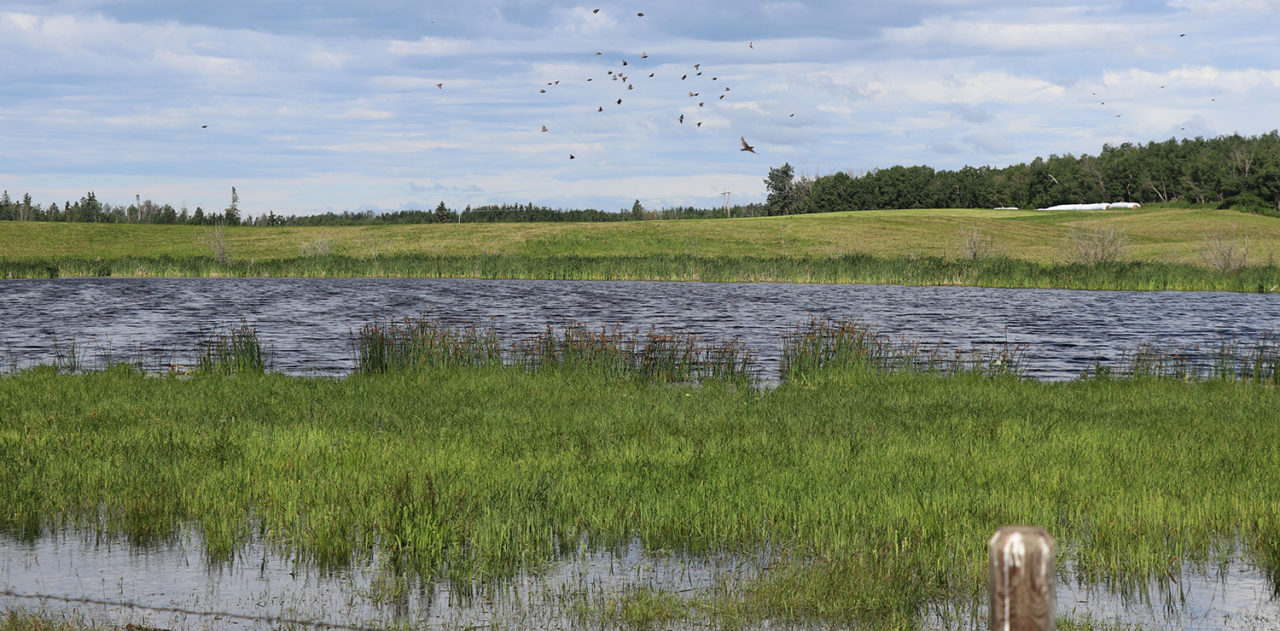
Ecosystem services are naturally occurring systems that support humans, animals and the environment. They contribute significantly to healthy communities and economies, supporting biodiversity, carbon sequestration, erosion control, flood mitigation, drought control and the production of clean air and water, each of which is necessary to support flourishing communities. In fact, ecosystem services provide tangible goods, like pollination, drinking water and resilient food systems.
ALUS helps farmers and ranchers harmonize the demands of agriculture with the important function of natural systems to the benefit of the environment and their productive land. The program is all about where agriculture and nature meet.
ALUS-funded projects have restored or enhanced tens of thousands of acres of wildlife habitat, tallgrass prairie, wetlands and have contributed to cleaner air, cleaner water, more biodiversity, carbon capture and greater resilience, providing ecosystem services to communities across Canada.
Here are a few examples of natural systems that provide ecosystem services:
Enhanced, restored and constructed wetlands
Wetlands improve habitat for avian, aquatic and land species, capture excess soil nutrients, provide drought and flood mitigation and improve downstream water quality. In fact, wetlands are among the most diverse and productive wildlife habitats in the world, contributing an incredible amount to our communities and economies.
Restored tallgrass prairie
Tallgrass prairie attracts native pollinators like bees and at-risk species like monarch butterflies. It also helps retain soil nutrients, provide natural forage for wildlife, maintain natural food webs and reduce crop damage from insects. Each of these processes has a direct impact on the financial and holistic well-being of our communities.
Eco-buffers
Eco-buffers improve habitat quality, reduce soil erosion, create wildlife corridors to improve landscape connectivity, maintain food web function and prevent excess nutrient buildup in watercourses. ALUS participants utilize trees and shrubs to create a variety of buffers on their land, including reforestation, windbreak, shelterbelt riparian buffer and pollinator hedgerows projects, among others.

Want to learn more about our projects?
Visit our Resources page and take a look at ALUS Guidebooks.
How a Few Extra Weeks Can Save a Species
Sometimes conservation isn't about doing more. It's about waiting. Every spring, George and Melaney Matheson begin noticing familiar visitors in their hayfields.The bobolinks have returned. After flying thousands of kilometres from their wintering grounds in South...
Farmers Strengthen Climate Resilience Through Renewed Wawanesa Insurance–ALUS Partnership
Wawanesa Insurance has renewed its support of ALUS to help farmers and ranchers build climate-resilient communities across Canada. WINNIPEG, MB, JULY 15, 2026 — Now in its fourth year, the partnership continues to advance nature-based projects that reduce the...
ALUS Welcomes Estrie as the Newest ALUS Community
ALUS is proud to announce the launch of ALUS Estrie, a new community led by UPA–Estrie in collaboration with regional partners. This marks an important step in the continued growth of the ALUS network across Quebec and Canada.From left to right: Jennifer Loschiavo,...