
Turning the margins of farmland into nature-based solutions.
Wayne, ALUS Parkland
Across the ALUS network, farmers create new acres of nature through edge of field and on field projects.
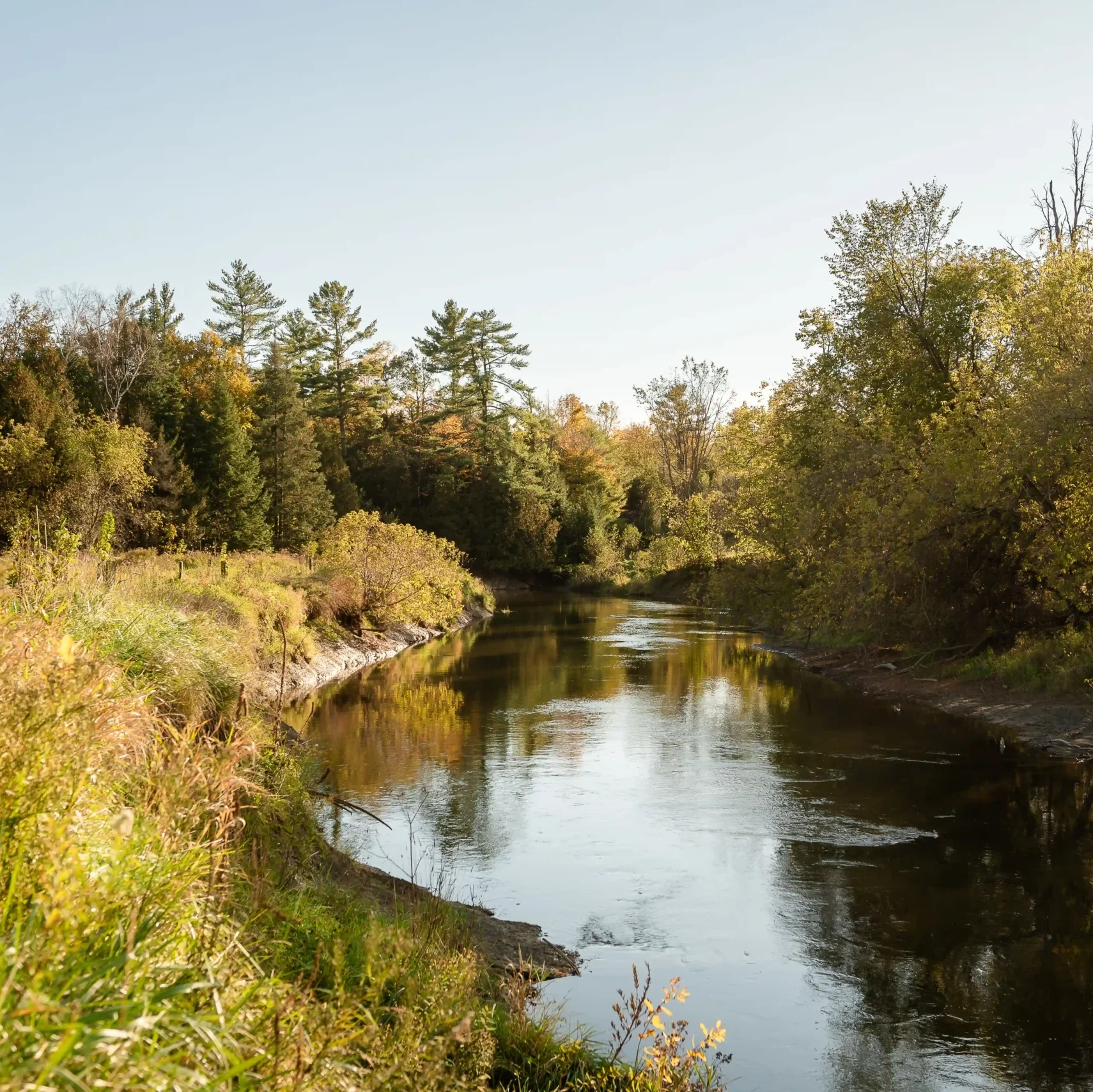
Creating Wetland and Restoring Riparian Areas
Examples:
- Wetlands
- Farm ponds
- Riparian areas
Benefits:
- Improve water quality
- Reduce flooding and runoff
- Create aquatic and wildlife habitat
- Support biodiversity
- Improve livestock health
Planting Trees & Shrubs
Examples:
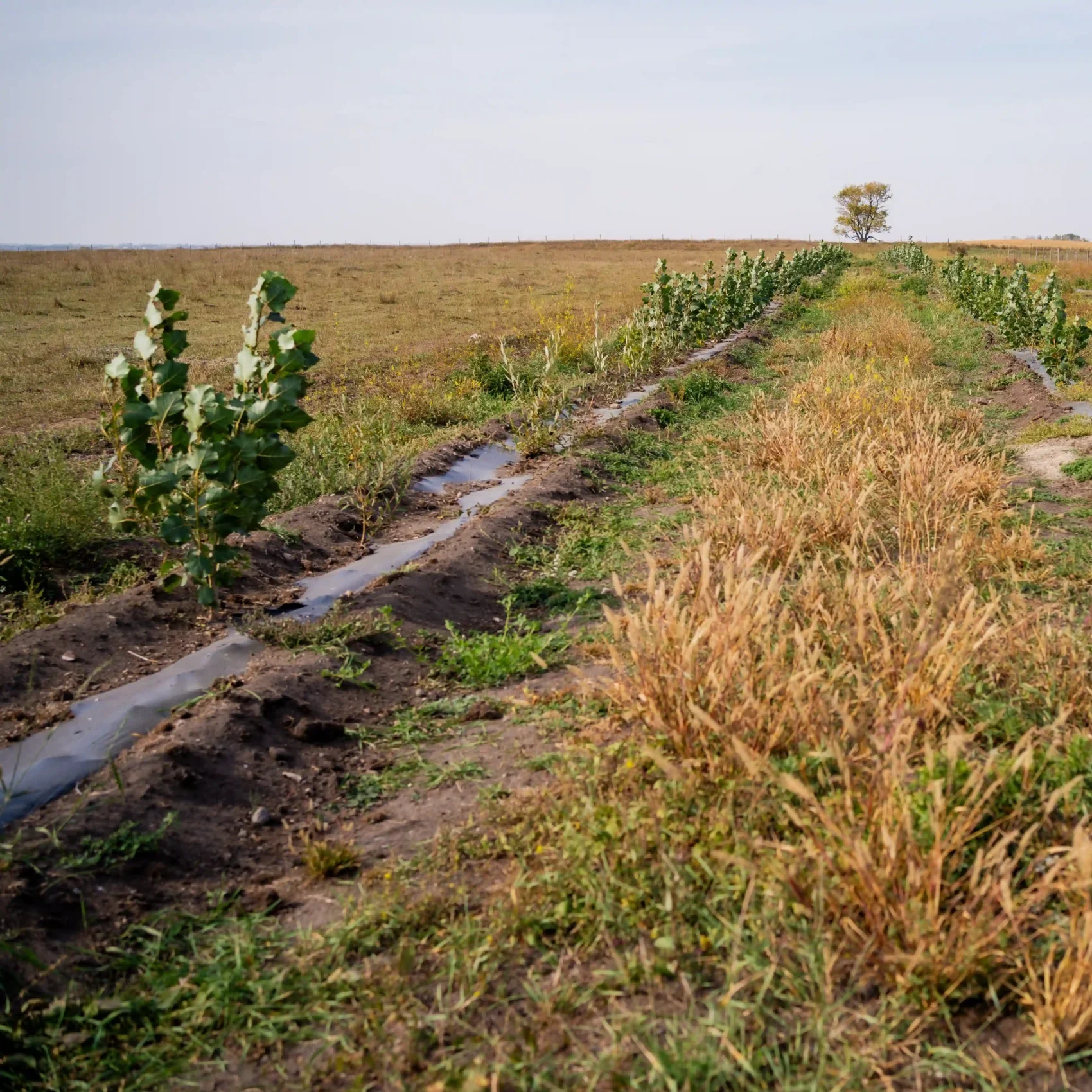
- Shelterbelts, windbreaks
- Hedgerows
- Riparian tree buffers
Benefits:
- Reduce wind and soil erosion
- Improve wildlife habitat
- Stabilize streambanks
- Create habitat corridors
Establishing Grasslands
Examples:
- Native prairie restoration
- Pollinator strips
- Grass buffer zones
- Grassed waterways
Benefits:
- Support pollinators and wildlife
- Improve soil health
- Slow runoff and filter nutrients
- Reduce erosion


Modified Agriculture
Examples:
- Rotational grazing areas
- Low-input forage systems
- Regenerative edge-of-field management
- Delayed Haying
Benefits:
- Improve soil health
- Reduce nutrient runoff
- Maintain agricultural productivity
- Bird nesting habitat
- Increase plant forage diversity
Regenerative Agriculture
Examples:
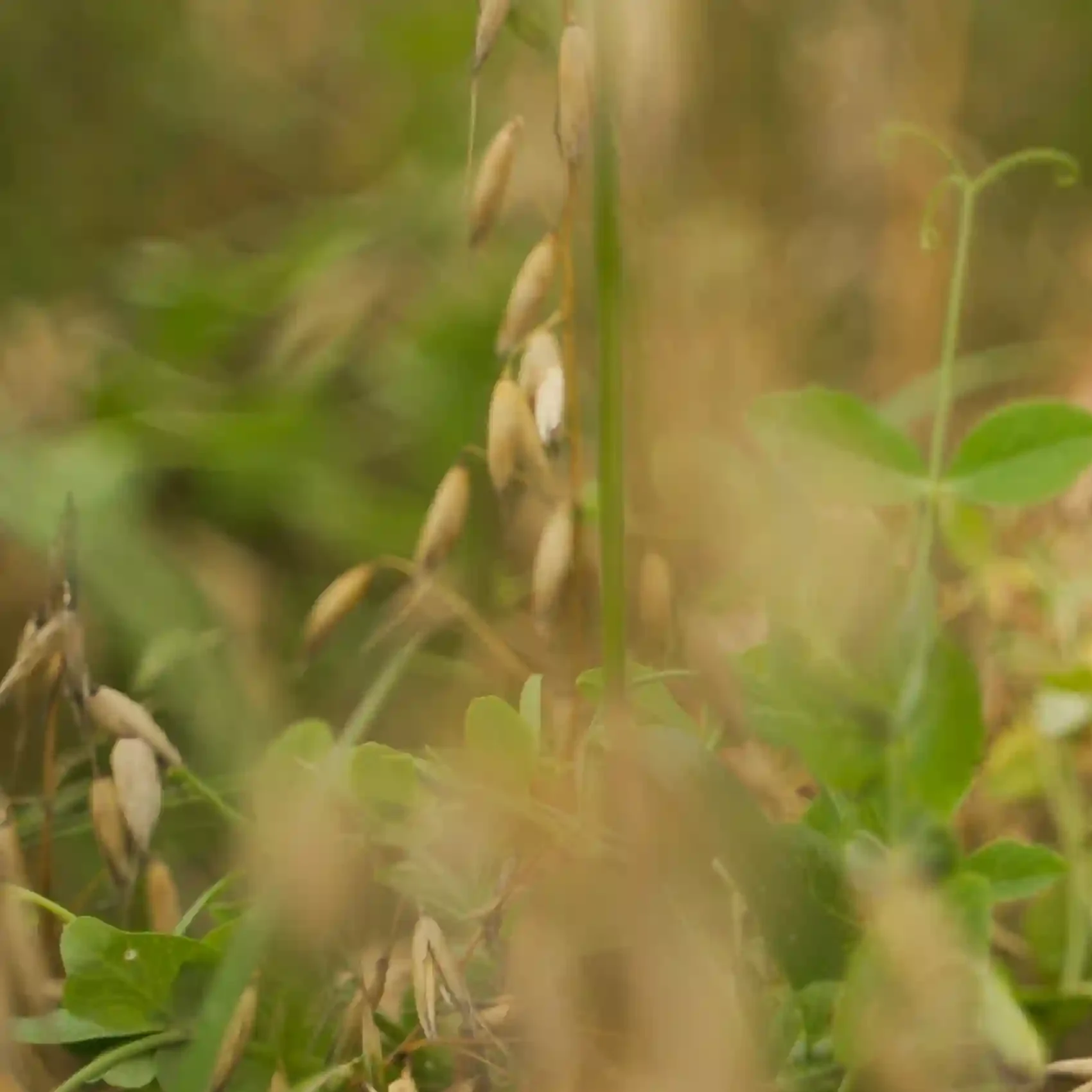
- Cover cropping
- Intercropping
- Livestock integration
Benefits:
- Decreased soil erosion
- Water infiltration
- Improve biodiversity
- Weed suppression
Creating New Acres of Nature — Real Projects, Measurable Impact
See how farmer-led conservation transforms agricultural landscapes — delivering measurable environmental outcomes your organization can support and report on.
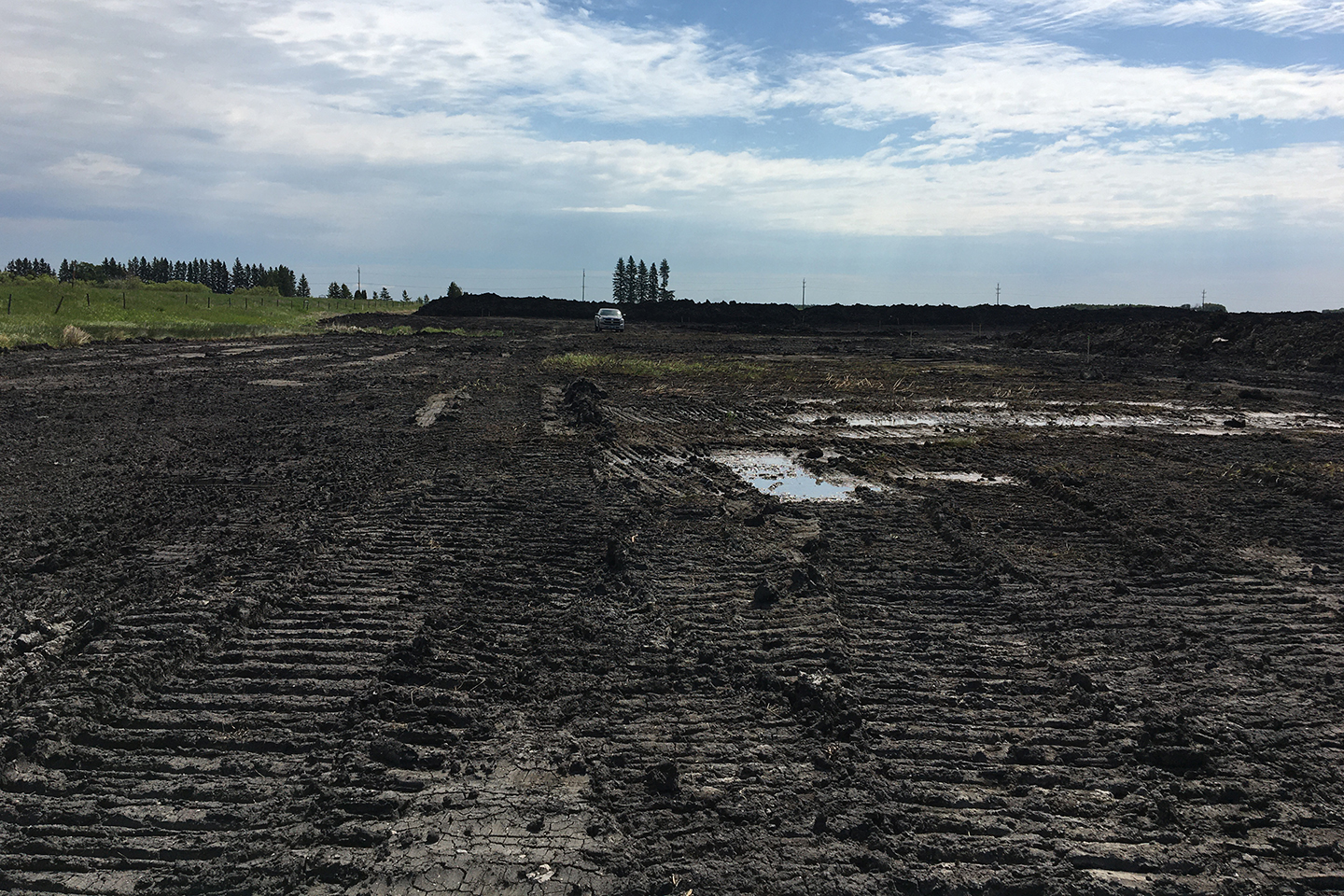
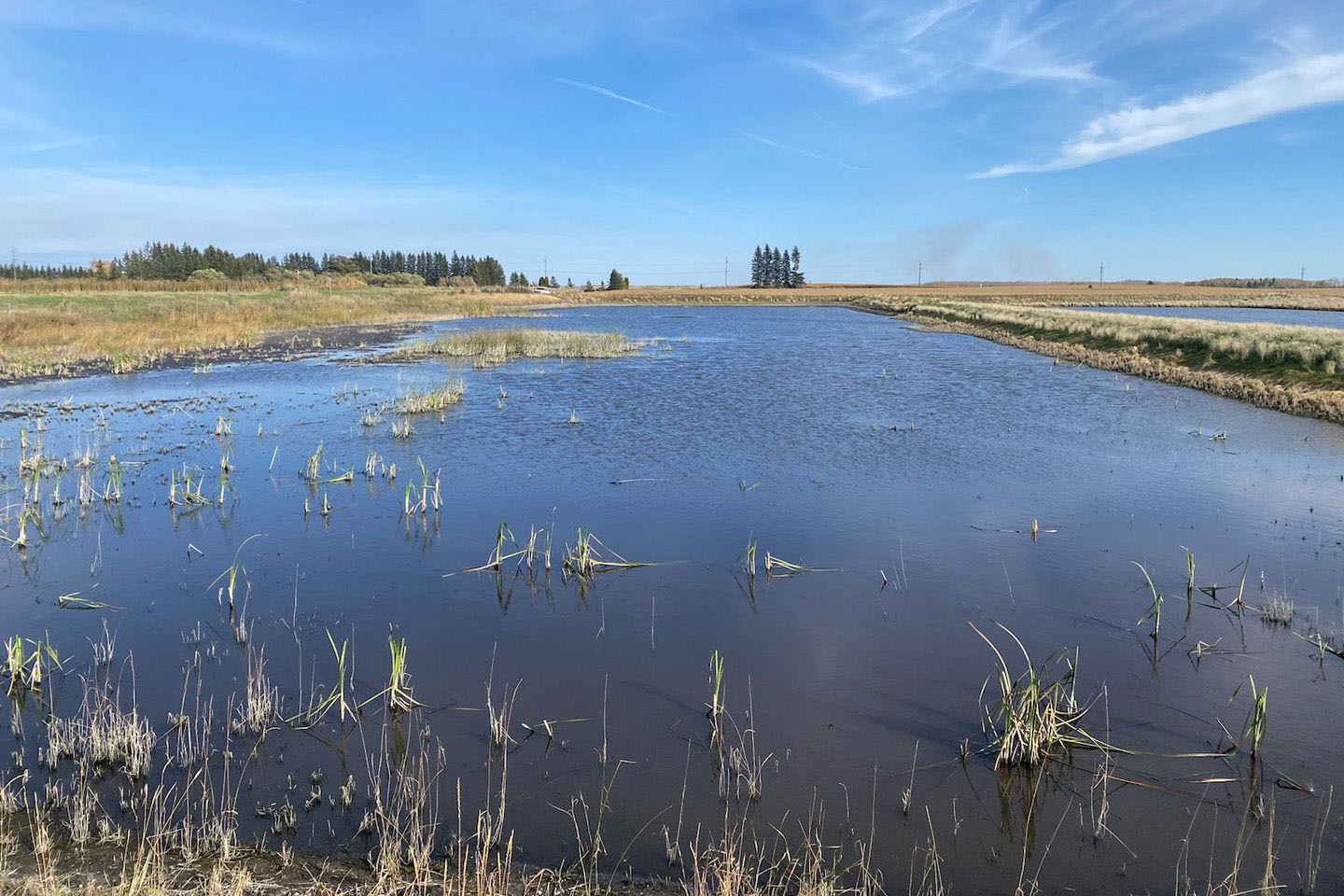
Water Quality Project | Oakburn, Manitoba
A water quality project in Oakburn, Manitoba established cattails within one year of planting to filter pollutants from lagoons before entering the Oak River. The result is improved water quality through a practical, nature-based solution — delivering measurable, watershed-level outcomes aligned with corporate ESG and sustainability priorities.
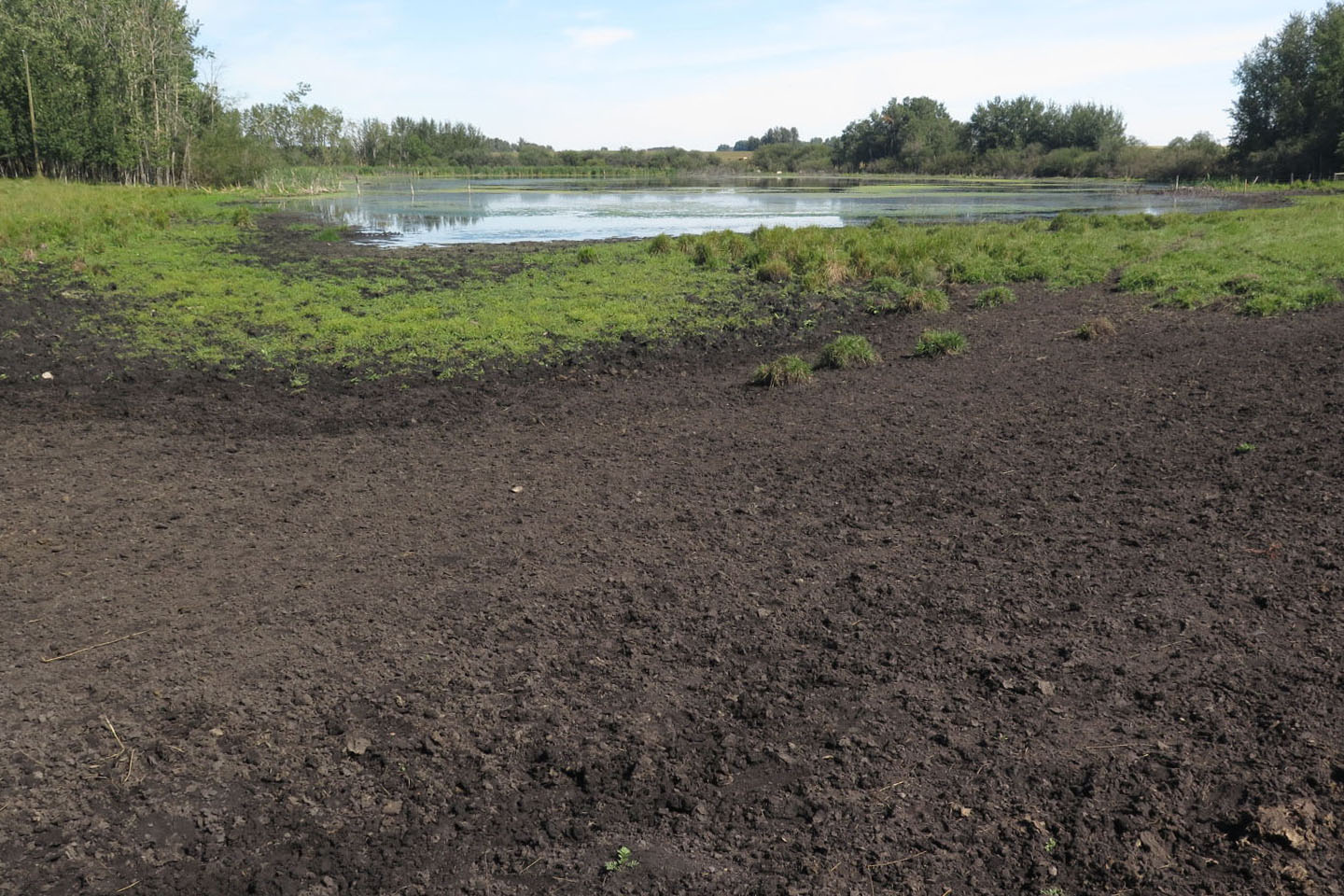
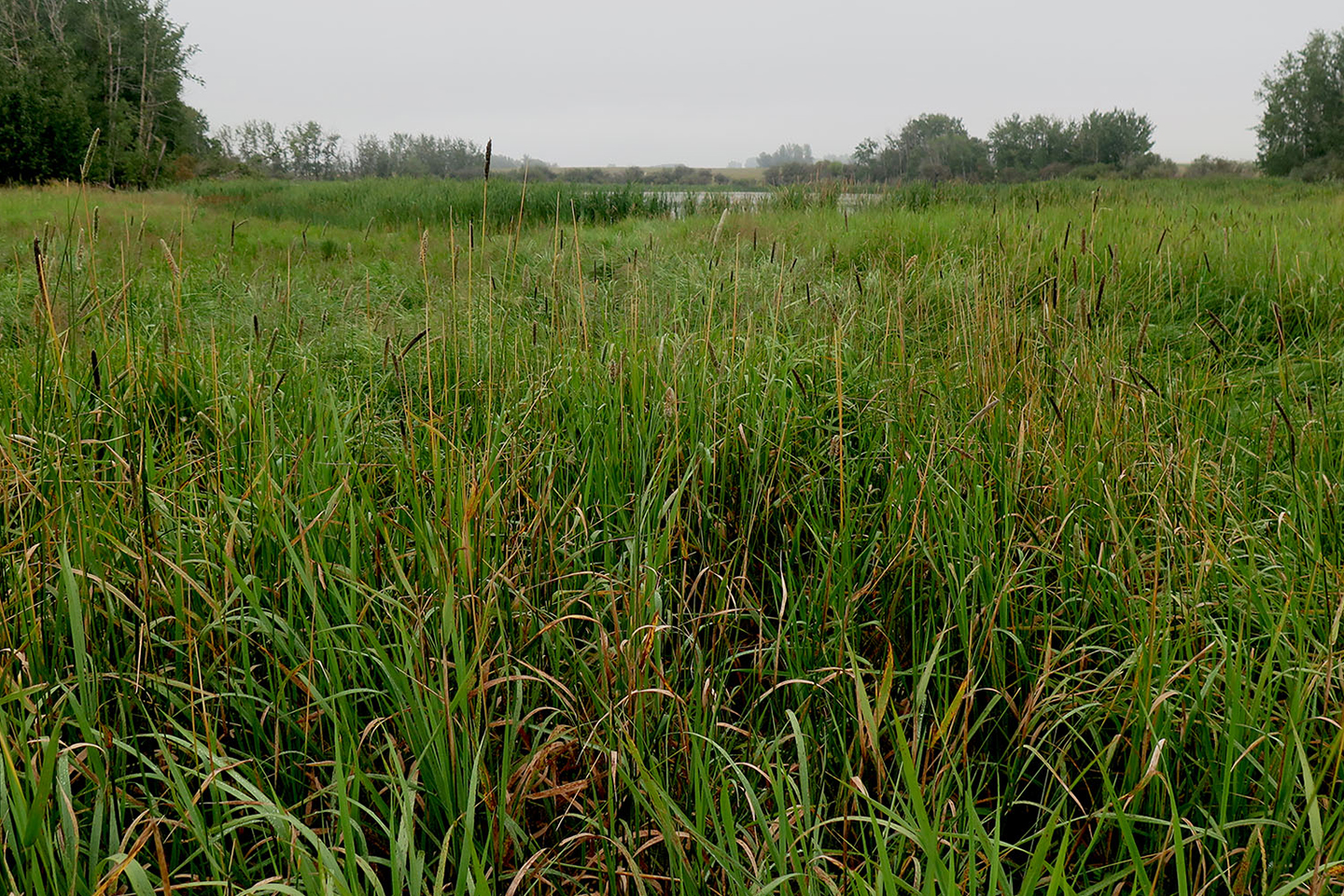
Riparian Restoration | Red Deer County, Alberta
A riparian restoration project in Red Deer County, Alberta transformed this site over four years through fencing and alternative livestock watering, allowing vegetation to recover and thrive. Riparian health improved by 11 points, as measured through standardized assessment, demonstrating measurable ecosystem gains and the impact of targeted, farmer-led conservation.