
A farmer’s guide to protecting species at risk
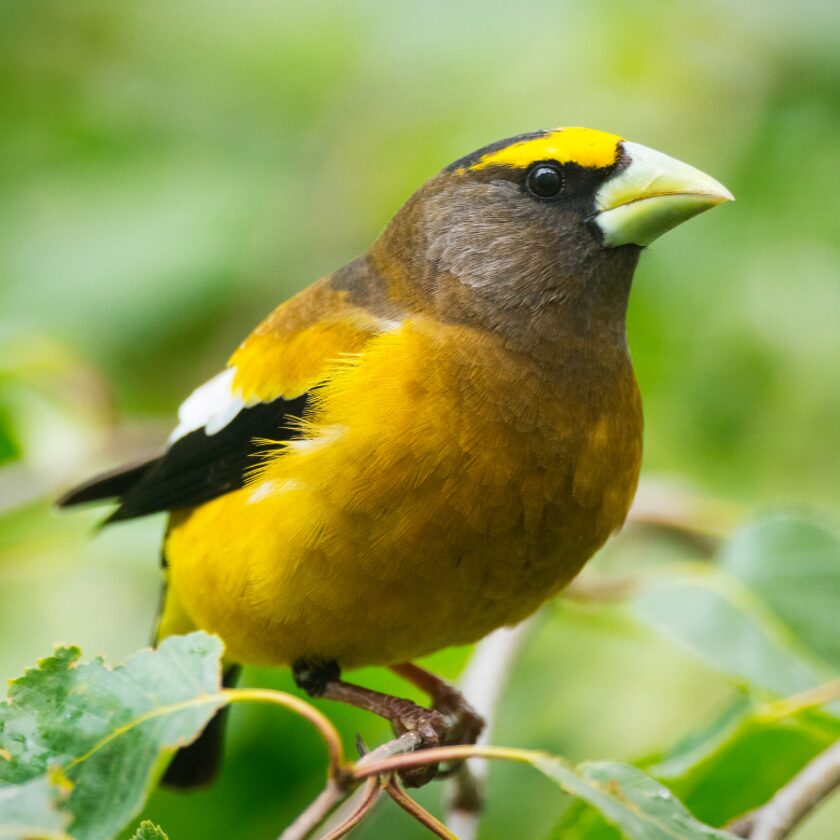
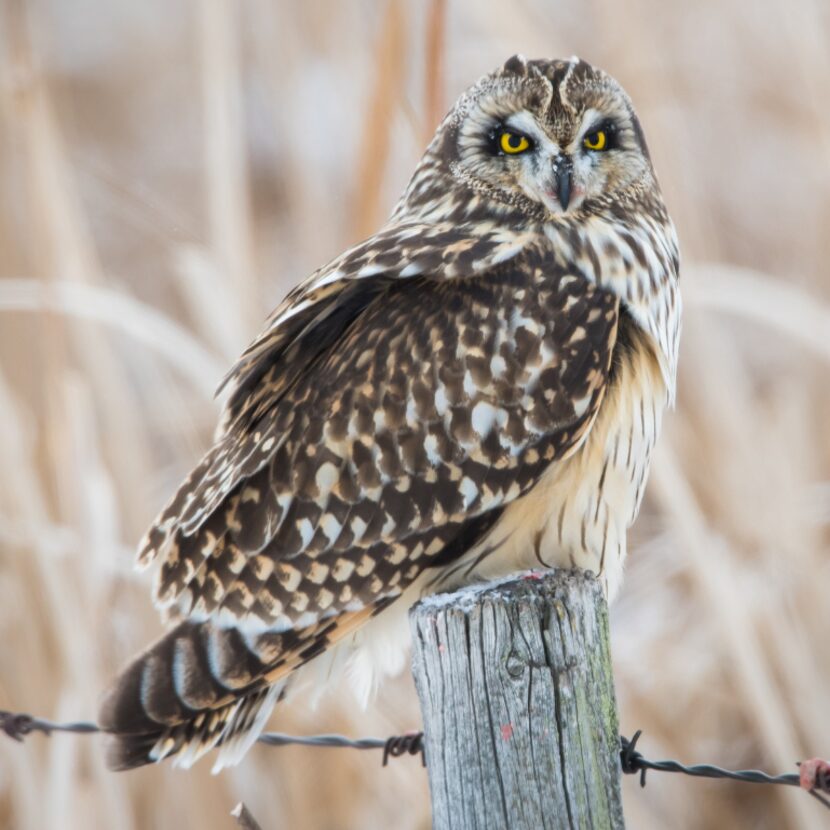
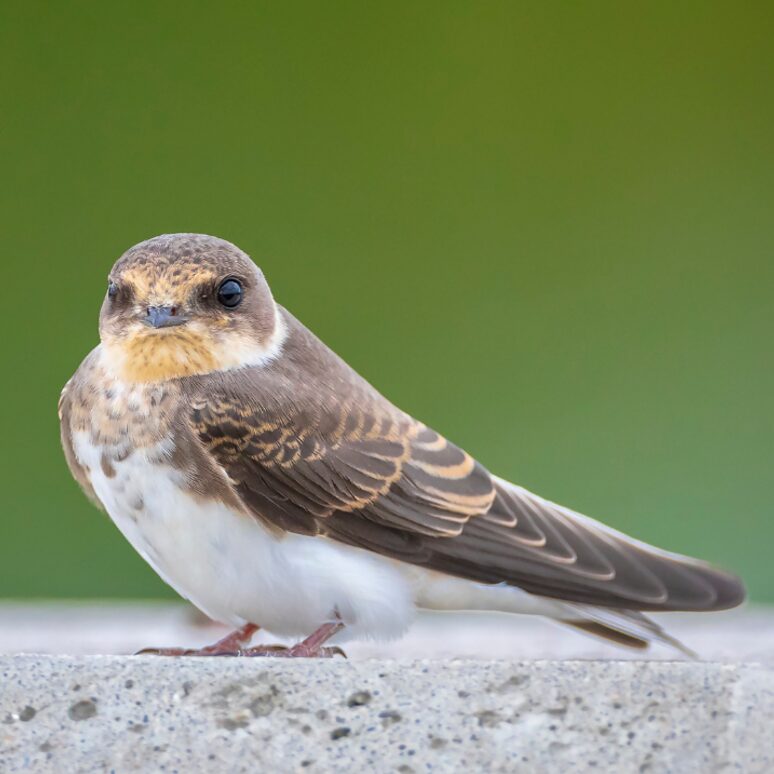
Agricultural lands provide food, shelter and nesting sites for several species at risk of extinction. Learning about the species at risk that live in your region and what they need to thrive will help you identify projects and practices best suited to your farm that can support the species at risk that call it home.
The following guide identifies species at risk in the regions of Montérégie, Outaouais-Laurentides and Chaudière-Appalaches in Québec. Use this guide to learn more about the species in your region and the agricultural practices that can support them. Connect with your local community to find out how you can access technical and financial suport for project implementation.
*****
These species at risk have legal protection in Canada (i.e. present in Schedule 1 of the Species at Risk Act).
This guide was developed with support from Environment Climate Change Canada, UPA Montérégie, UPA Outaouais-Laurentides and UPA Chaudière-Appalaches.
Farming Practices to Support Species at Risk
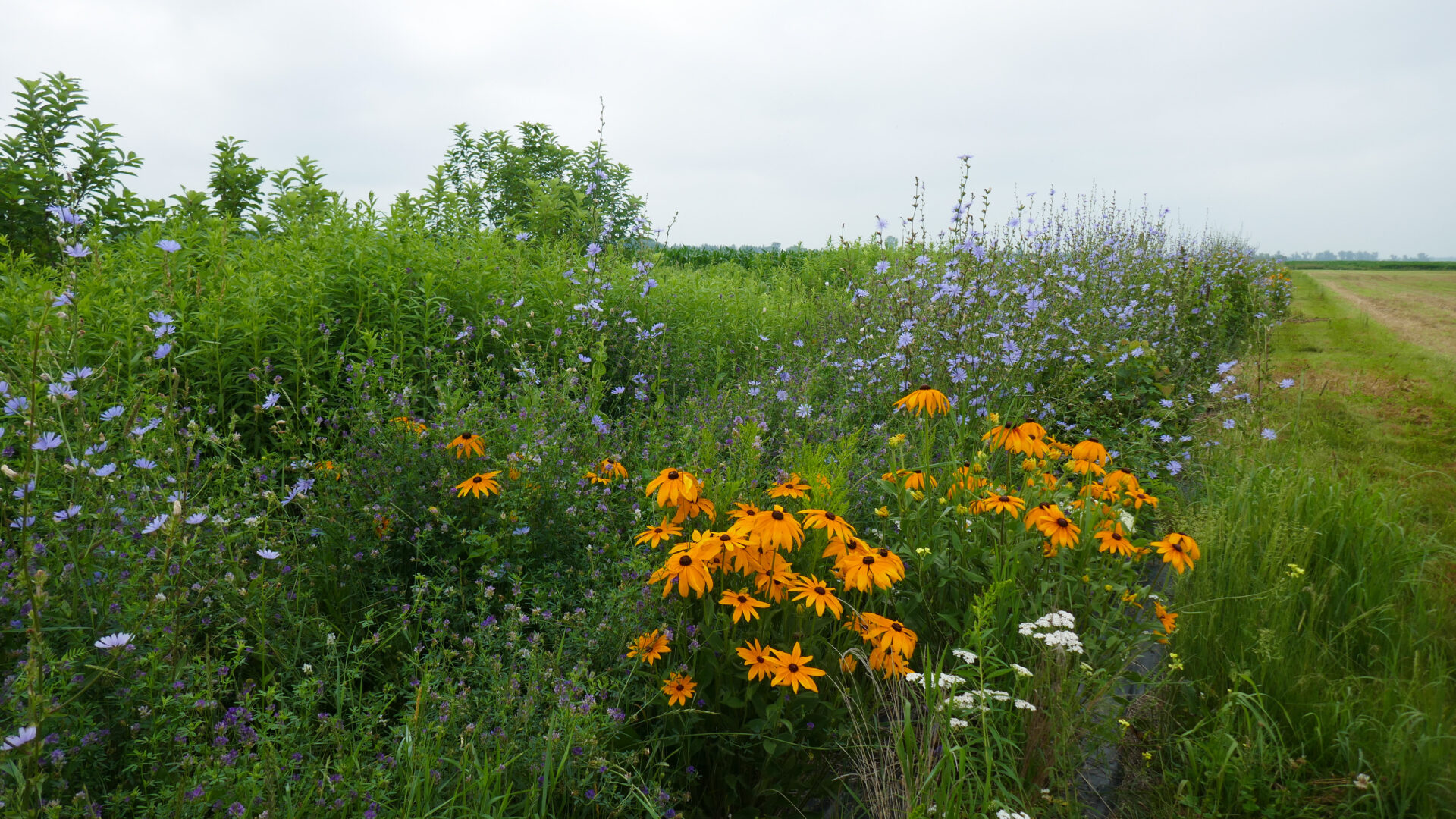
1. Cultivate a variety of herbaceous plants that bloom at different times of the season in marginal and riparian areas.
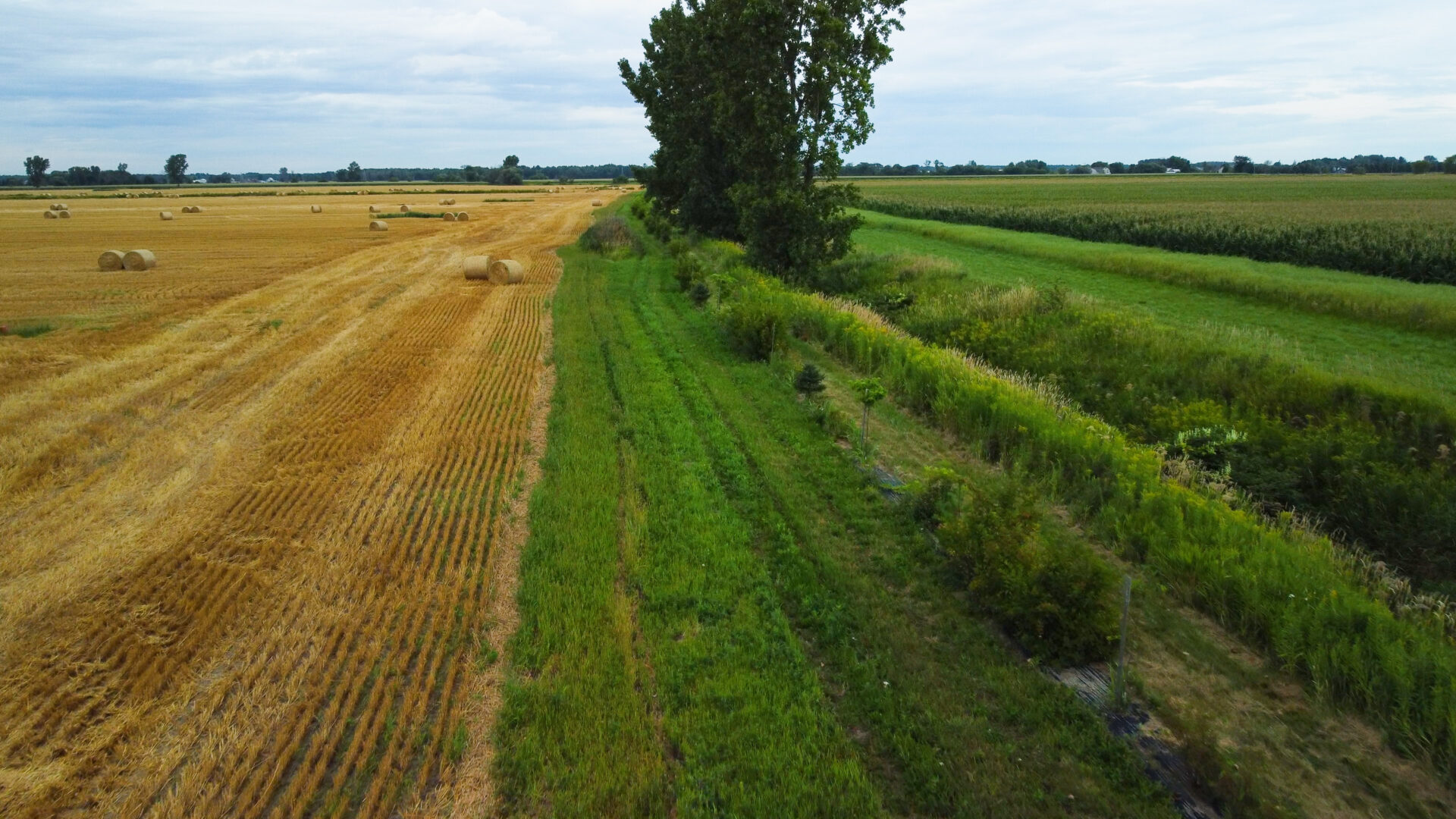
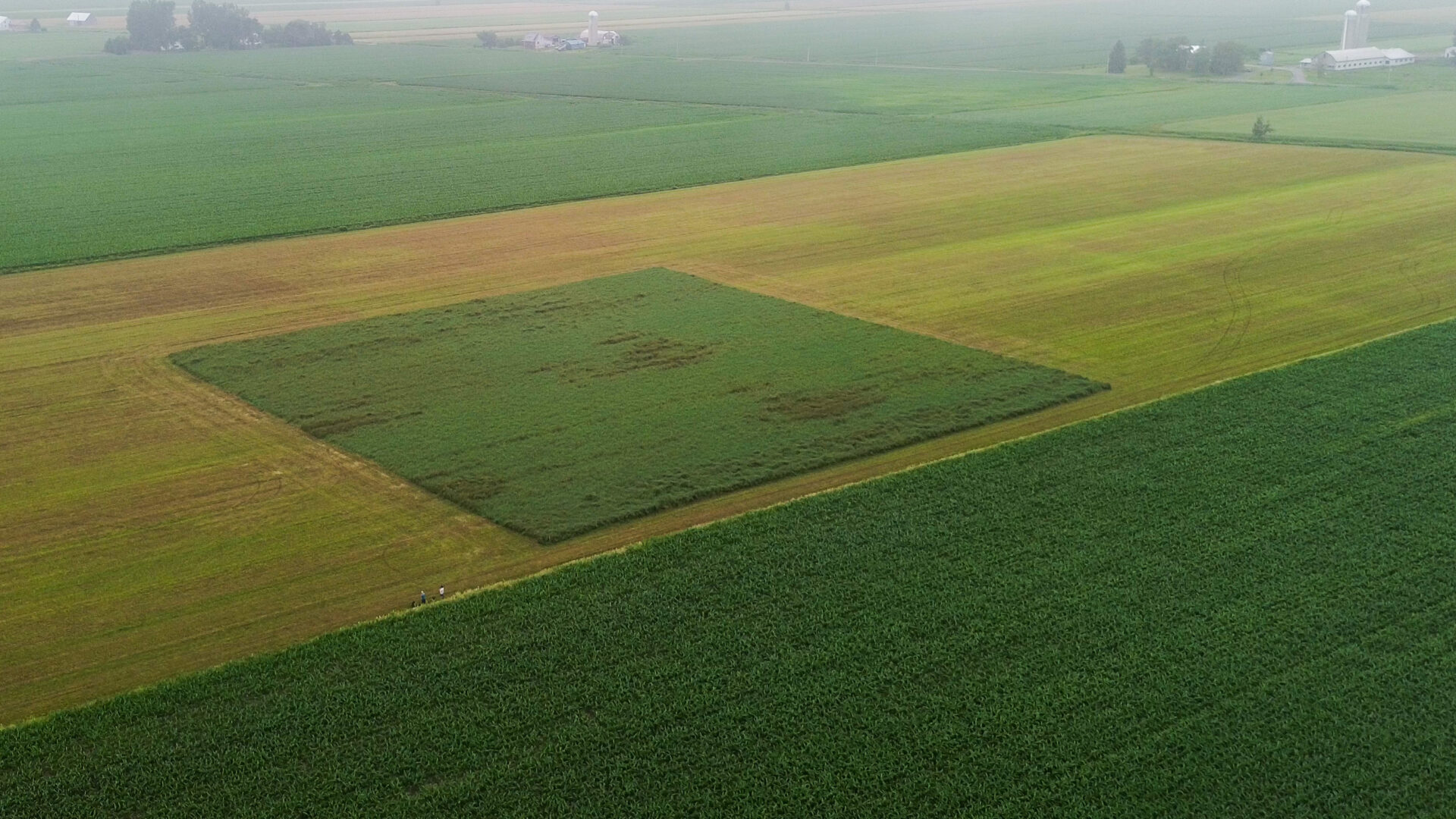
3. Adapt your mowing and pasturing practices. Consider delaying hay.
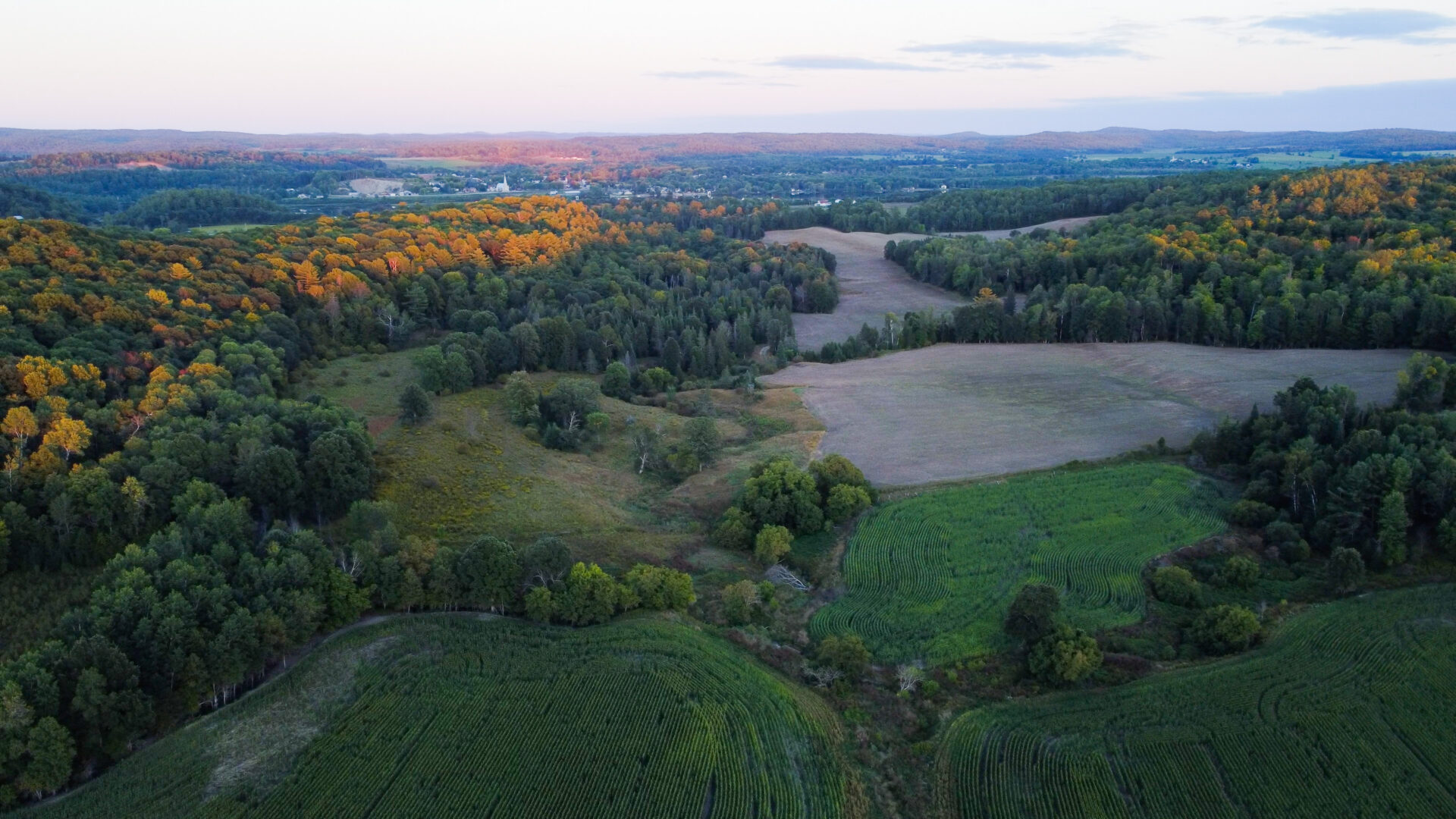
4. Promote and conserve grasslands and forested areas.
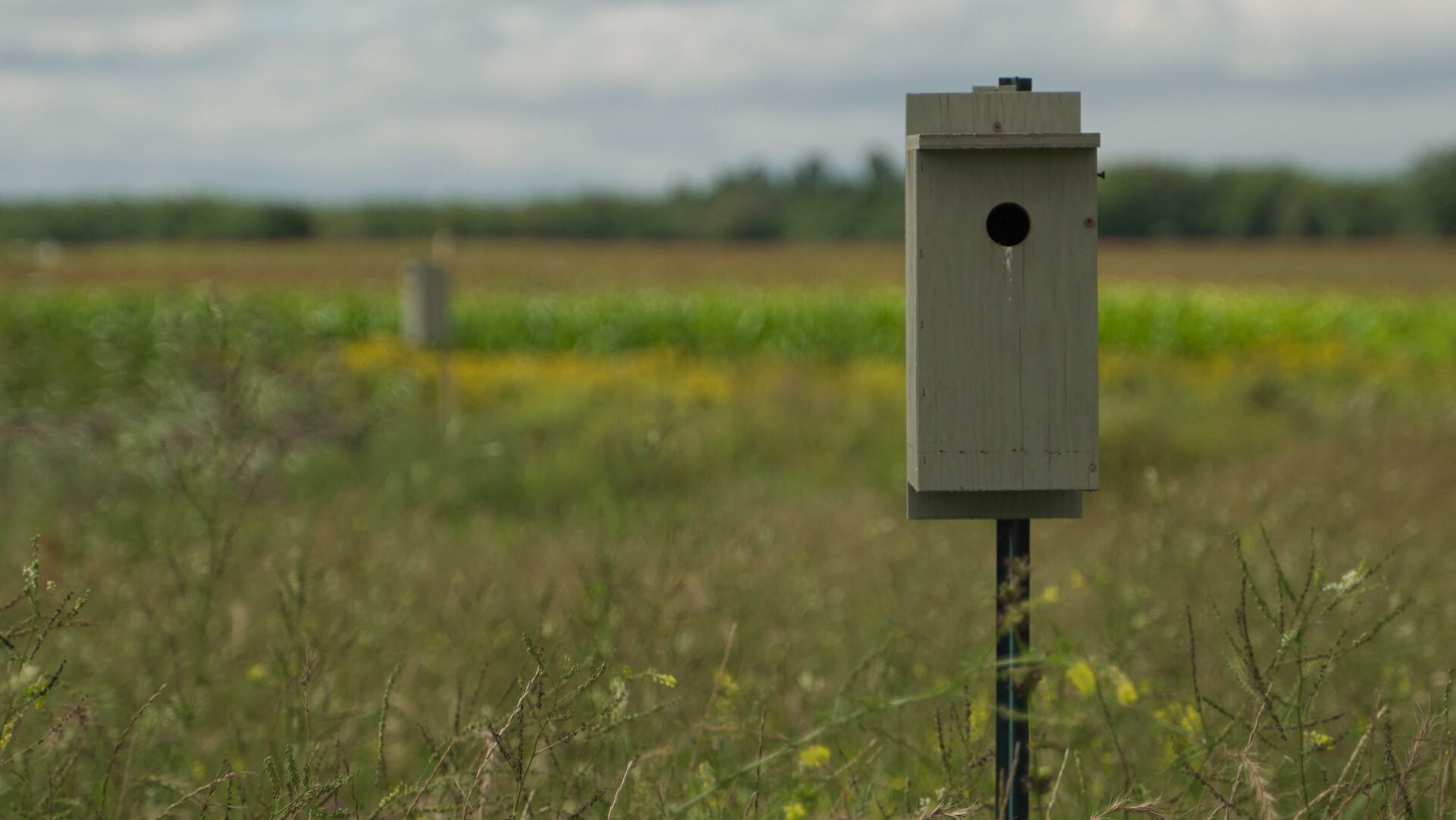
5. Restore nesting habitats. Install nesting boxes.
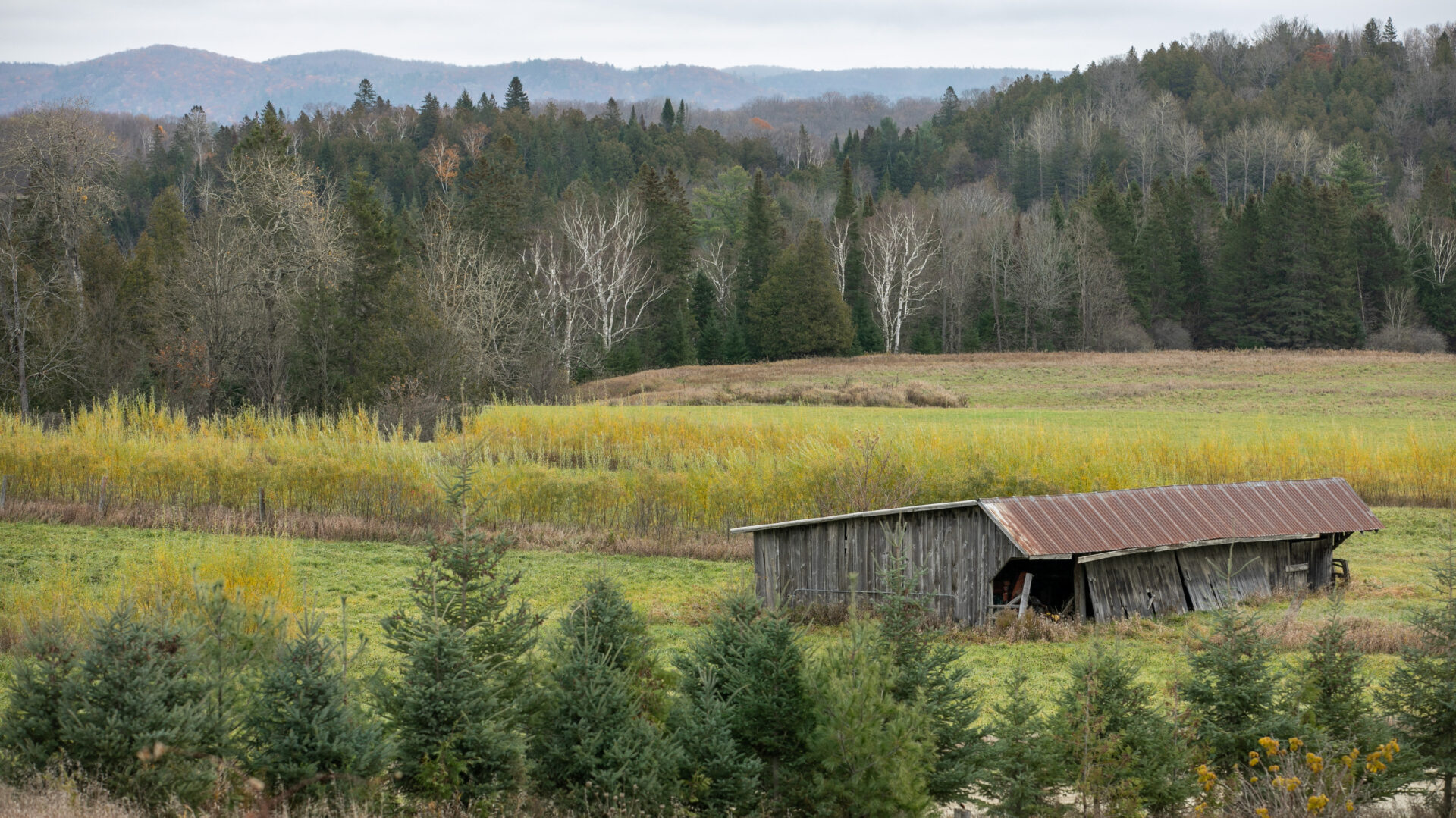
6. Preserve old buildings (especially barns).
The benefits of species at risk on your farm
Natural Predators
Some species will prey on insects and other species that are a nuisance to crops.

Pollination
Some species will pollinate plants around fields and on fields.

Soil Nutriments
Some species help to improve the nutrient cycle.

Natural Ecosystem Health Indicator
The presence of some species can indicate a healthy ecosystem, such as in riparian ecosystems.
Species at Risk in Quebec
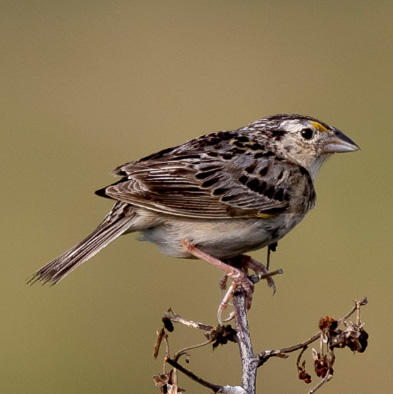
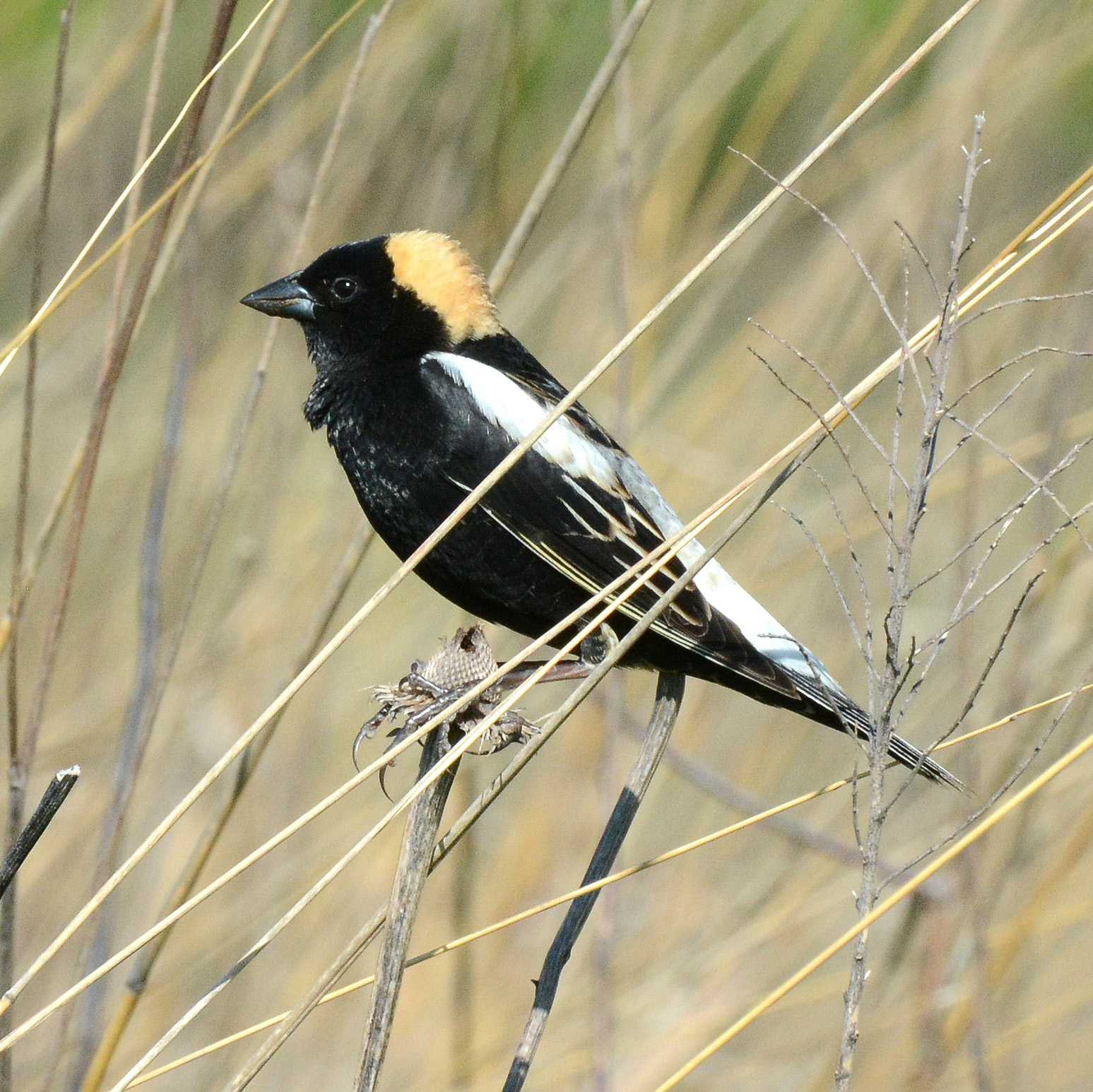
Bobolink
(Dolichonyx oryzivorus)
Ch.-App. / Mgie / Out.-Laur.
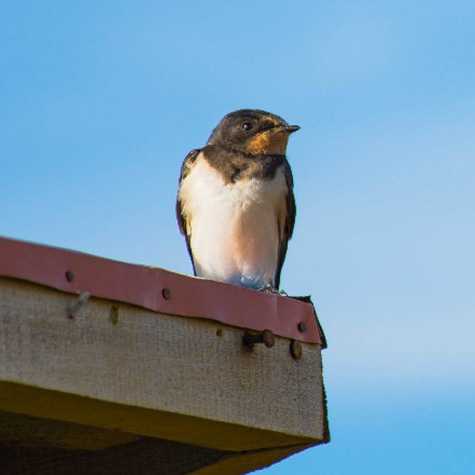
Barn Swallow
(Hirundo rustica)
Ch.-App. / Mgie /
Out.-Laur.
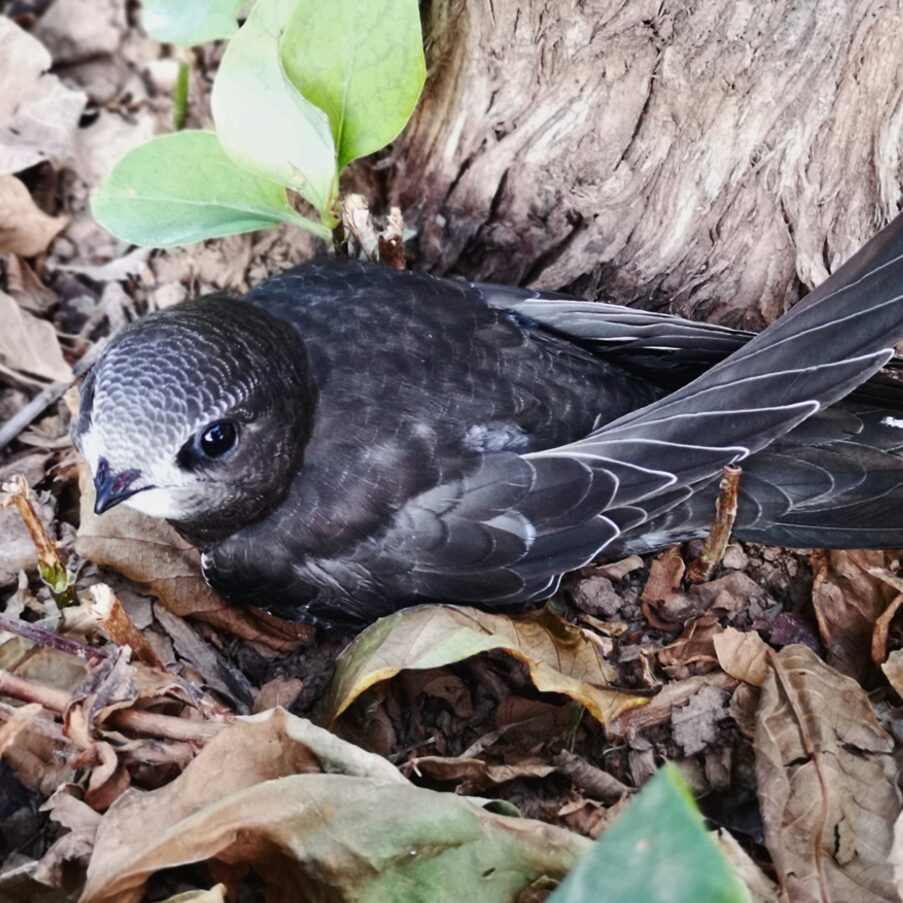
Chimney Swift
(Chaetura pelagica)
Out.-Laur.
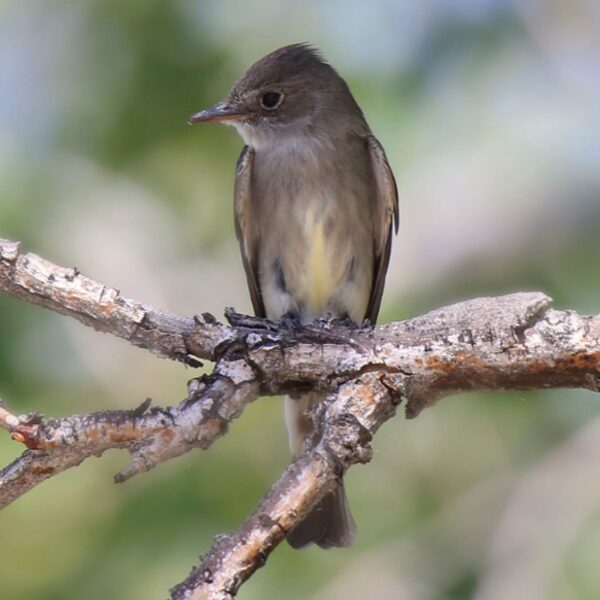
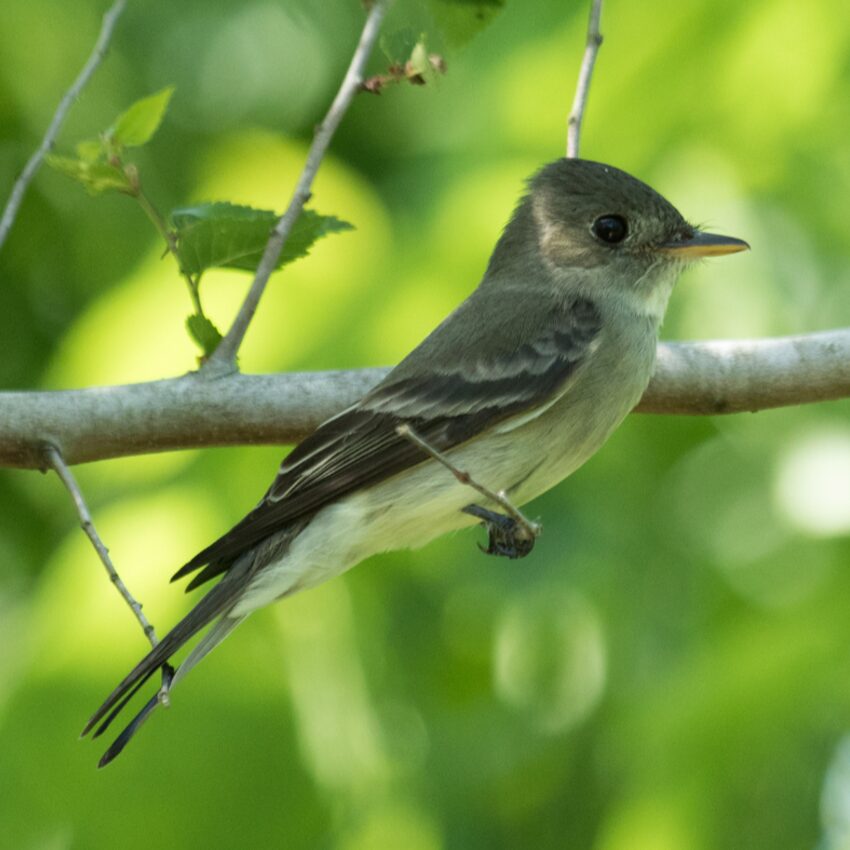
Olive-sided Flycatcher
(Contopus cooperi)
Out.-Laur.
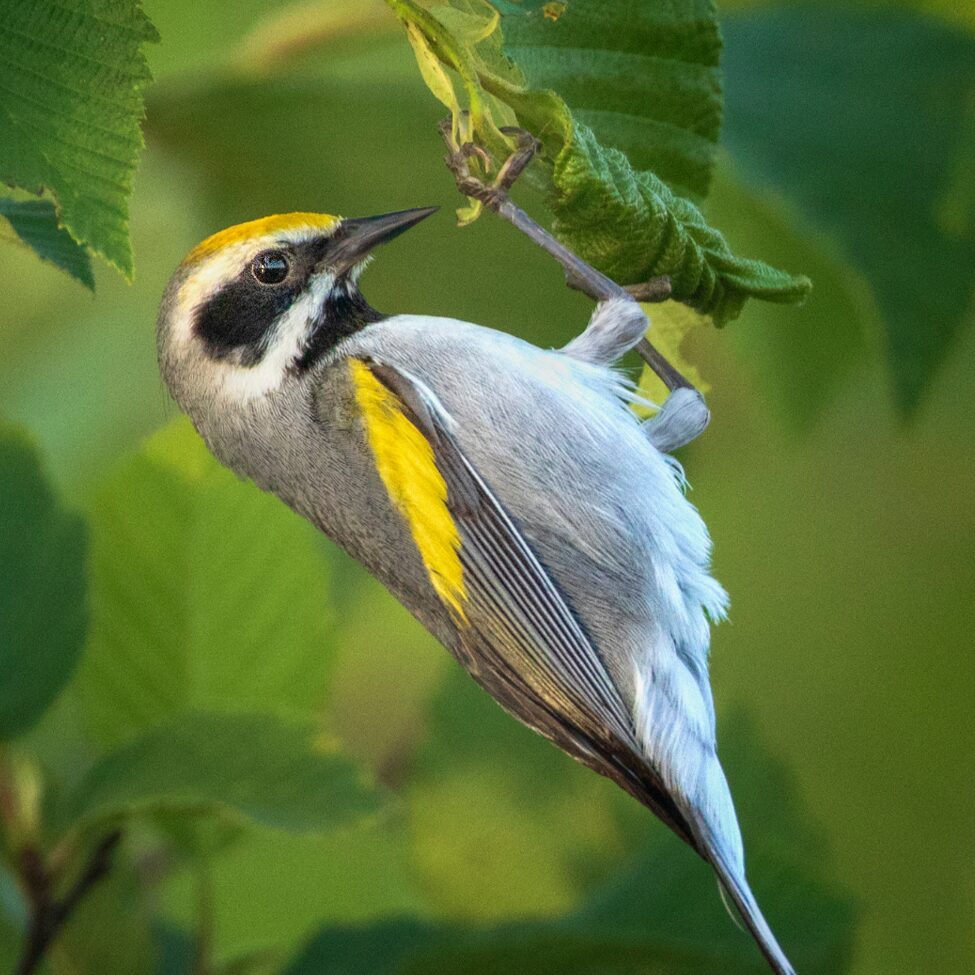
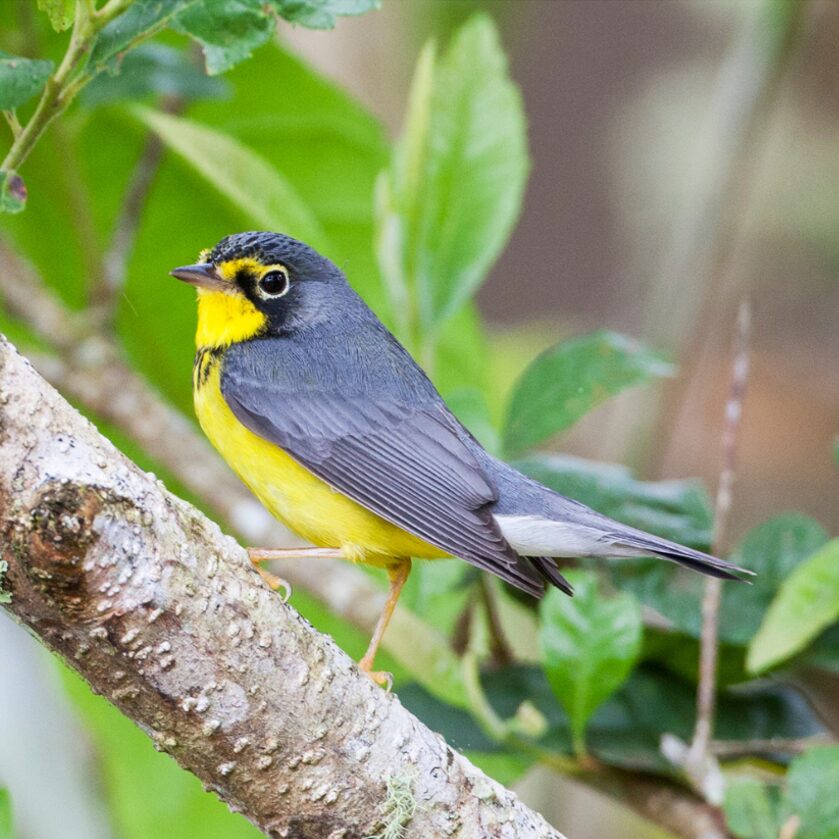

Least Bittern
(Ixobrychus exilis)
Out.-Laur.
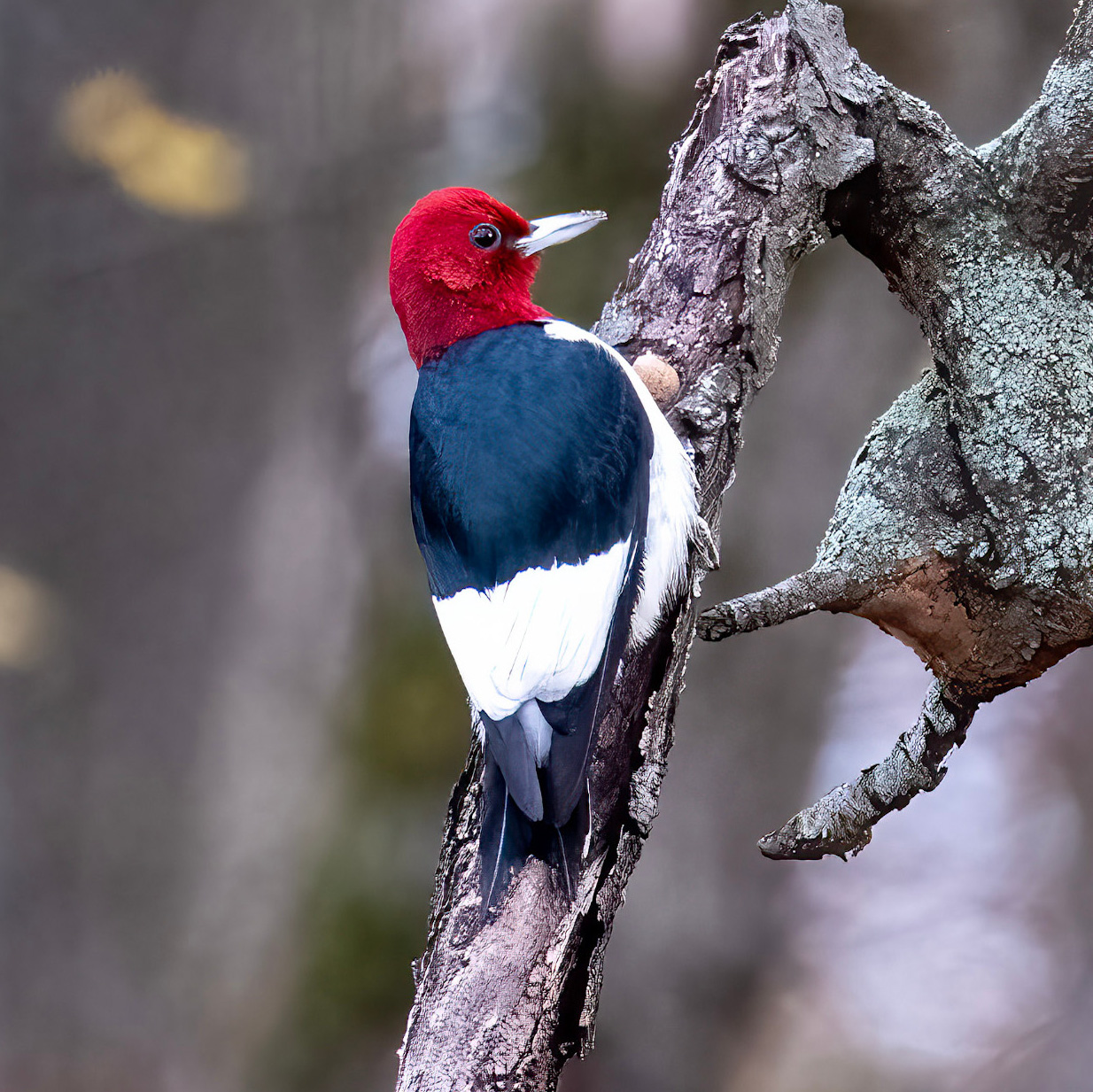
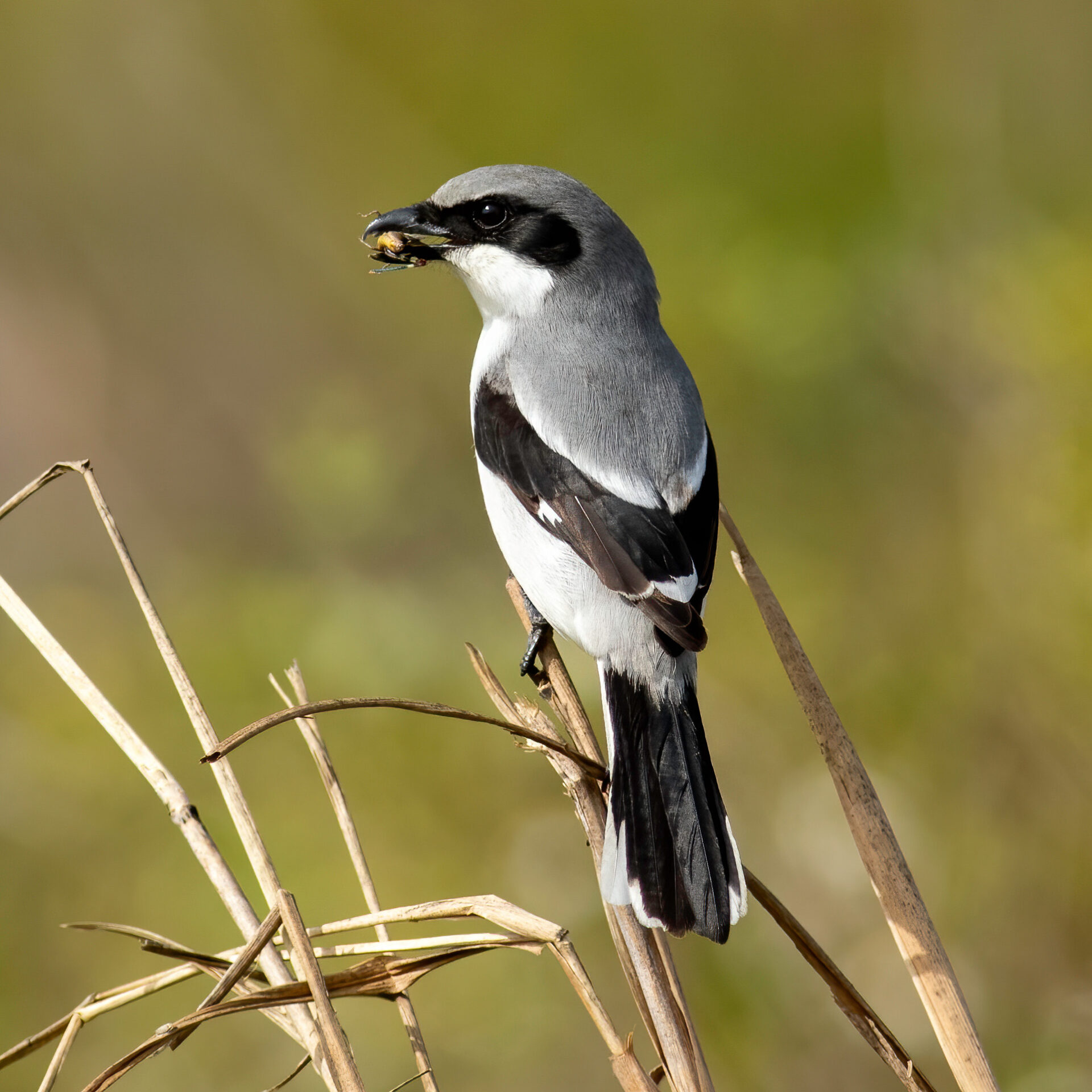
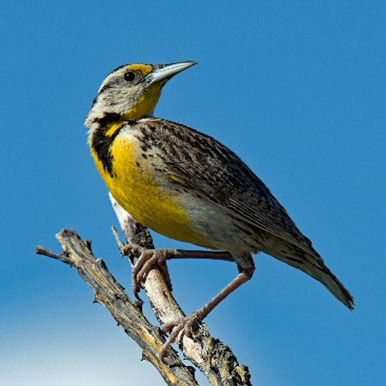
Eastern Meadowlark
(Sturnella magna)
Ch.-App. / Mgie /
Out.-Laur.
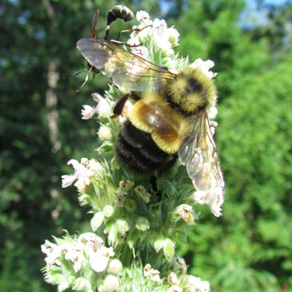
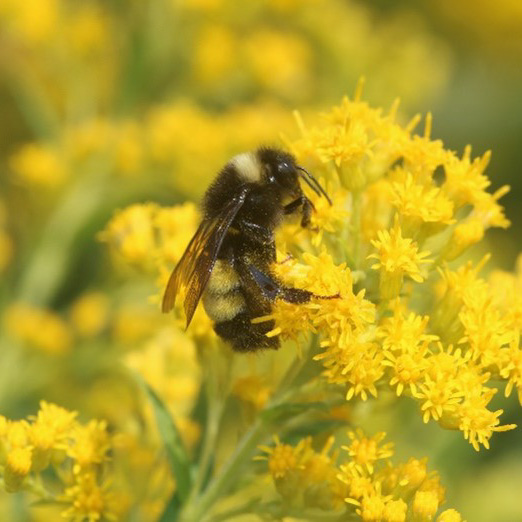
Yellow-banded Bumble Bee
(Bombus terricola)
Ch.-App. / Mgie / Out.-Laur.

Nine-spotted Lady Beetle
(Coccinella novemnotata)
Out.-Laur.
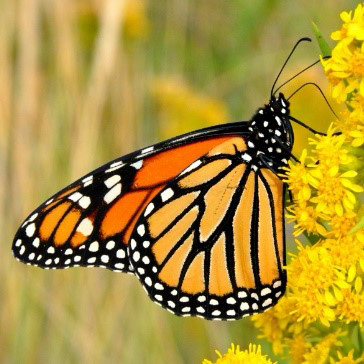
Monarch
(Danaus plexippus)
Ch.-App. / Mgie / Out.-Laur.
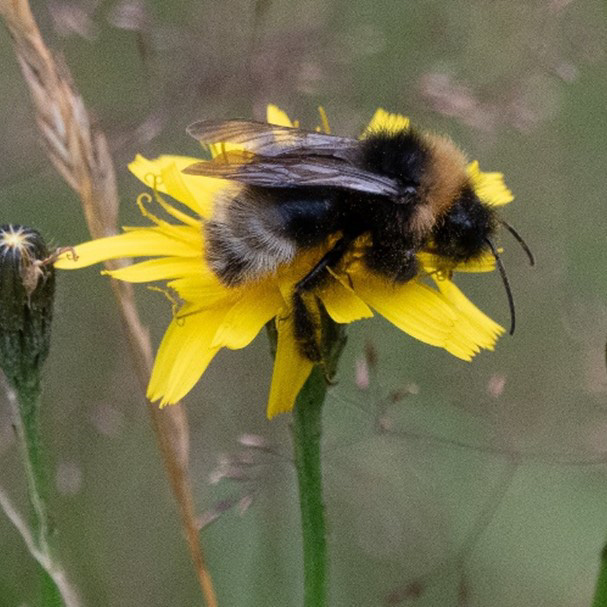
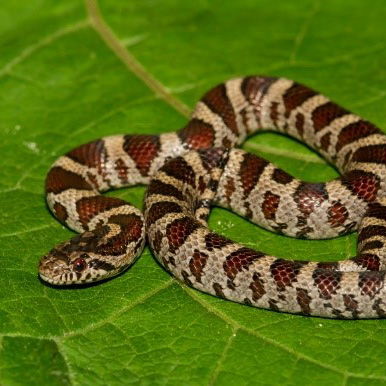
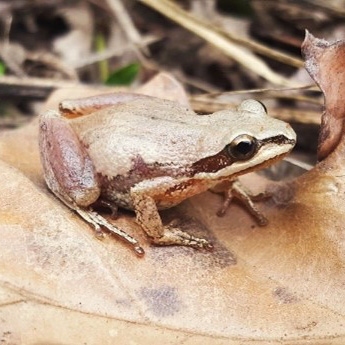
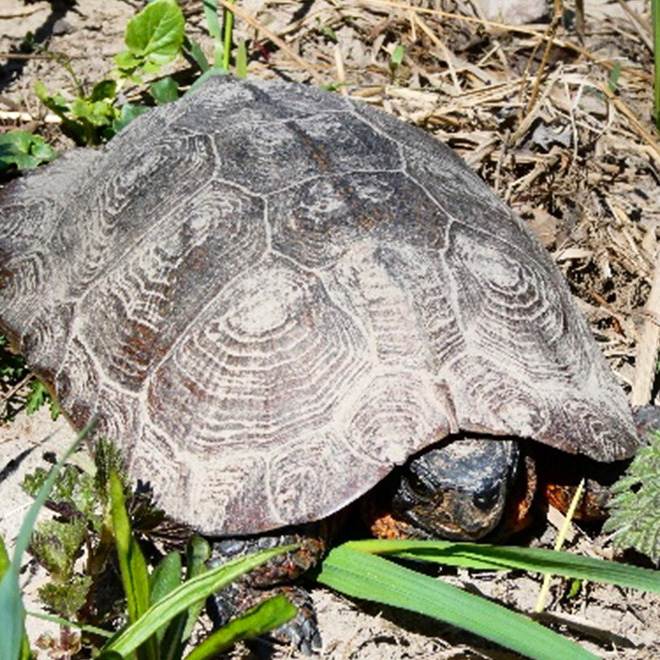
Wood Turtle
(Glyptemys insculpta)
Ch.-App. / Mgie / Out.-Laur.
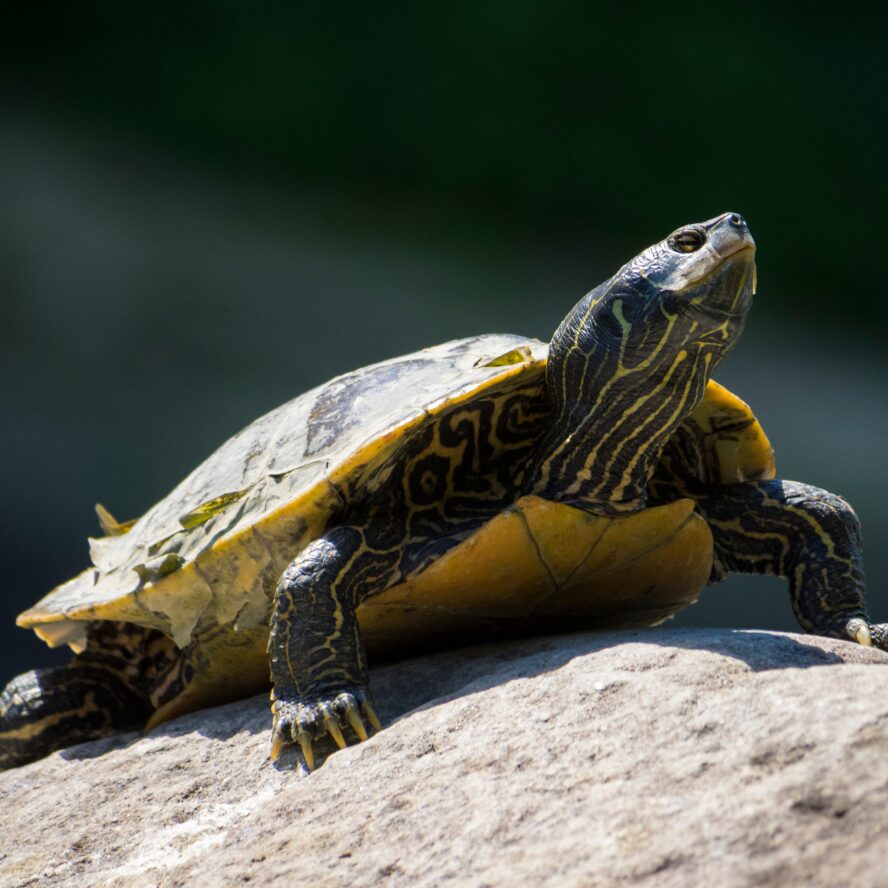
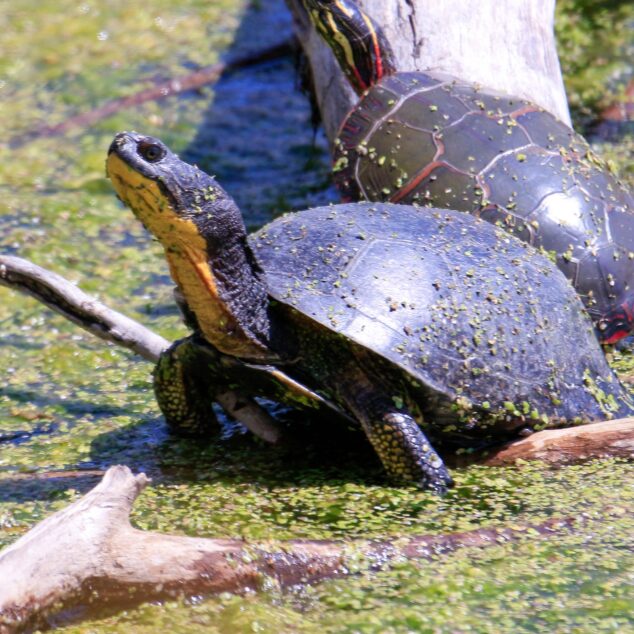
Blanding’s Turtle
(Emydoidea blandingii)
Out.-Laur.
ALUS Projects for species at risk
Martin Berger, ALUS Montérégie
(in French with English subtitles)
Carl Poirier, ALUS Outaouais
(in French with English subtitles)
Victor Drury, ALUS Outaouais
(video in French)
Interested in establishing a project for species at risk on your farm? Contact your ALUS Coordinator.
Do you have species at risk on your farm?
You have seen species at risk on your farm? We encourage you to report it to your local environmental organisations and provincial entities to increase species at risk knowledge and presence on the landscape.
Interactive Guides
Species at Risk in Montérégie
(Click icon on the bottom right to enlarge)
Learn more : UPA Montérégie Website (in French)
Species at Risk in Chaudière-Appalaches (FR)
(Click icon on the bottom right to enlarge)
Learn more : UPA Chaudière-Appalaches Website (in French)
Species at Risk in Outaouais
(Click icon on the bottom right to enlarge)
Learn more : UPA Outaouais-Laurentides Website (in French)
Species at Risk in Laurentides
(Click icon on the bottom right to enlarge)
Learn more : UPA Outaouais-Laurentides Website (in French)

Explore More ALUS Projects
Discover some of the nature-based solutions helping communities thrive
Wetlands
Trees & Shrubs
Regenerative Agriculture