
Regenerative Agriculture
Michael & Blain, ALUS Regen Ag Technical Advisory Committee
Growing Roots
Delivered with support from General Mills, the program helps farmers implement practical, on-farm approaches that create lasting environmental benefits for farms, communities and ecosystems.
Tom, ALUS ASAP
$3.8M
invested to date
Tom, ALUS ASAP
Why Regenerative Agriculture Matters
Regenerative agriculture practices can help improve water retention, reduce erosion, support biodiversity and strengthen long-term farm resilience while creating environmental benefits beyond the farm gate.
6 Principles of Regenerative Agriculture
How does regenerative agriculture work?
Sean, ALUS Assiniboine
Community-Led Conservation
Regenerative agriculture principles should be implemented based on the environmental, economic and cultural context of each farm.
Minimize Soil Disturbance
Reducing physical, chemical, and biological disruption of the soil preserves its structure, microbial life, and nutrient cycles.
Maximize Diversity
Diverse agricultural systems support healthier soil and stronger biodiversity.
Keep Soil Covered
Ground cover helps protect soil from erosion and moisture loss.
Maintain Living Roots
Living plants support soil biology and nutrient cycling throughout the year.
Integrate Livestock
Managed grazing can improve nutrient cycling and overall ecosystem health.
Growing Roots at a Glance
100+
participants
involved
4
communities
200+
projects proposed
Program Goals
Growing Roots helps farmers explore regenerative agriculture through practical, on-farm projects supported by financial assistance, technical expertise and peer-to-peer learning.
The Program Supports

Soil health improvement

Water retention

Biodiversity enhancement

Farmer-led innovation

Long-term resilience
Examples of Regenerative Agriculture
Healthy soil is the foundation of resilient farms.
Livestock integration
Full season cover cropping
Intercropping
Shoulder season cover cropping
Intercropping Flax & red clover polycrop
Full-season cover cropping
Growing plants for the entire growing season primarily to protect and improve the soil, rather than to harvest them as a main crop.
Shoulder-season cover cropping
Planting cover crops in the early spring, after harvest in the fall, or interseeding a cover crop into a cash crop prior to harvest, to keep soil covered and healthy between main crops.
Intercropping
Growing two or more crops together in the same field at the same time to make better use of space, nutrients, and sunlight, while increasing biodiversity.
Livestock integration
Including animals (like cattle or sheep) in crop systems so they can graze on fields, helping recycle nutrients, improve soil health, and reduce the need for external inputs.

Participating Communities
Growing Roots is currently delivered in:
- ALUS SAW-Carrot River
- ALUS Saskatchewan Assiniboine Project
- ALUS Assiniboine West
- ALUS Seine Rat Roseau
For more information about the program, benefits of regenerative agriculture, or participation and partnership opportunities, contact your local ALUS Coordinator or ALUS Program Manager, Nicole Baldwin, at [email protected]
Help Grow Regenerative Agriculture in Canada
Help expand farmer-led practices that improve soil health, support biodiversity and strengthen resilience on working farmland.
What Regenerative Farming looks like
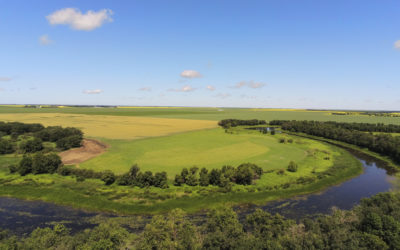
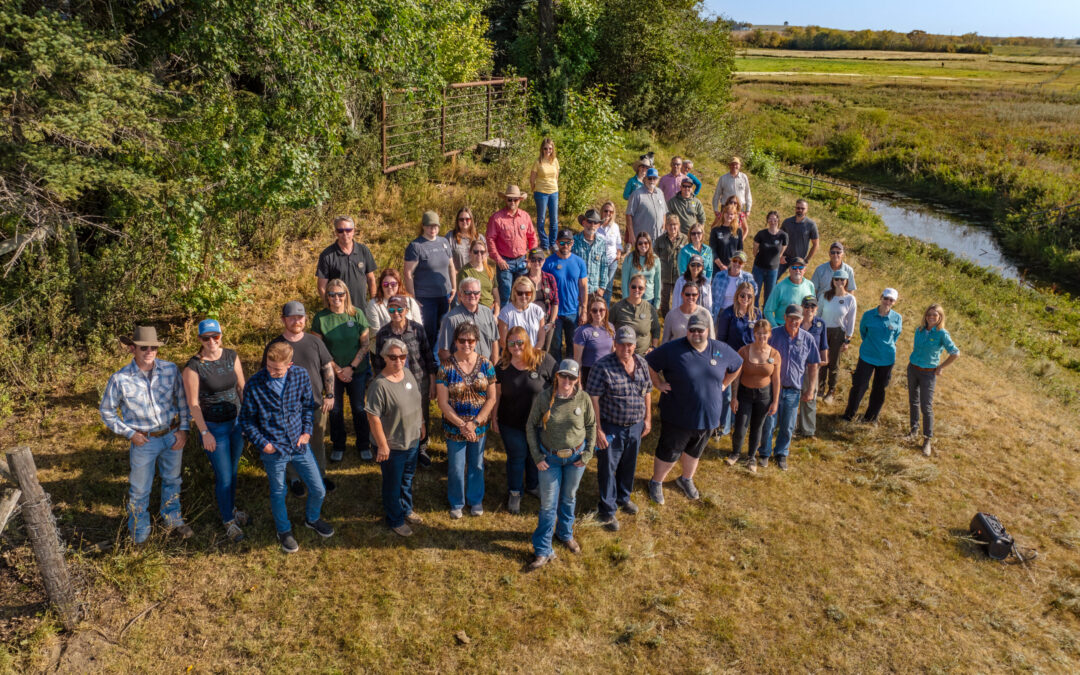
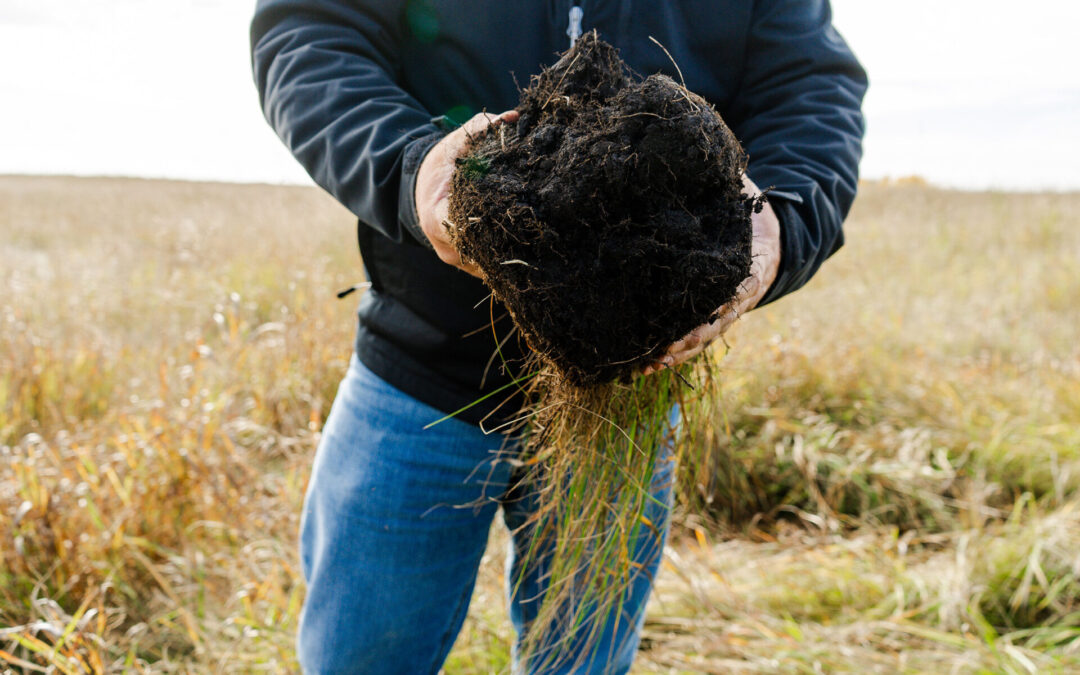
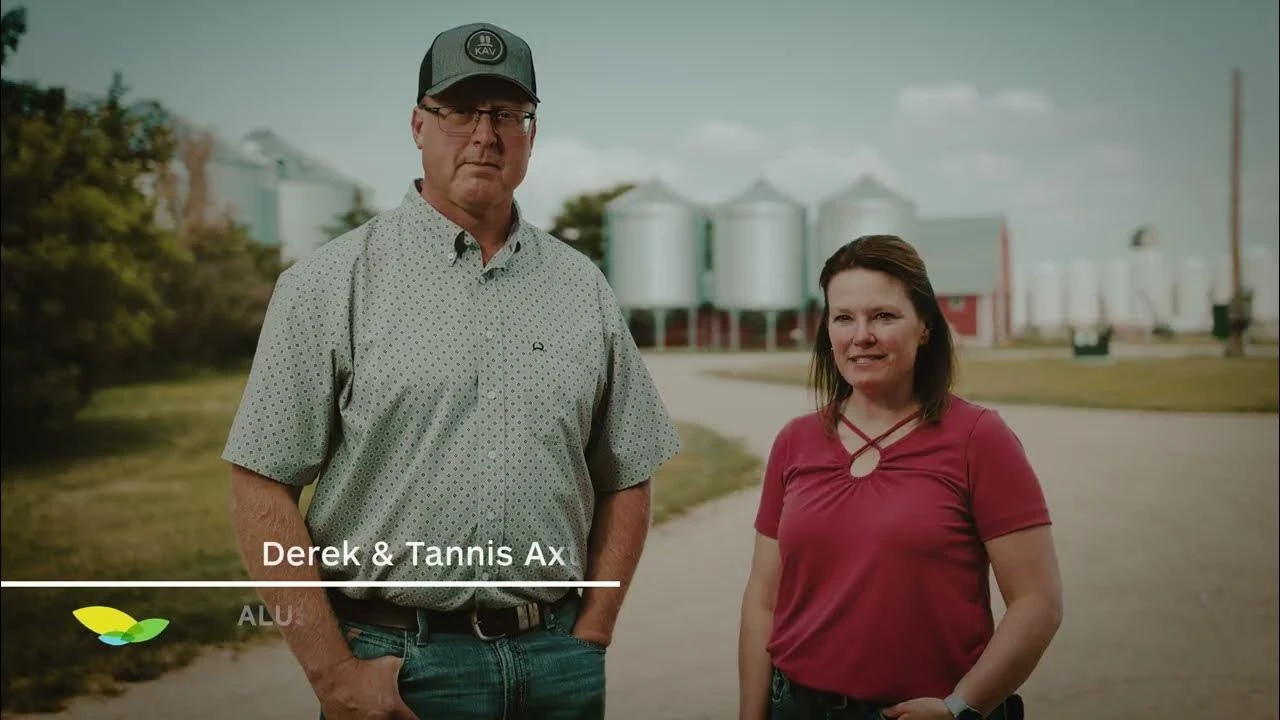
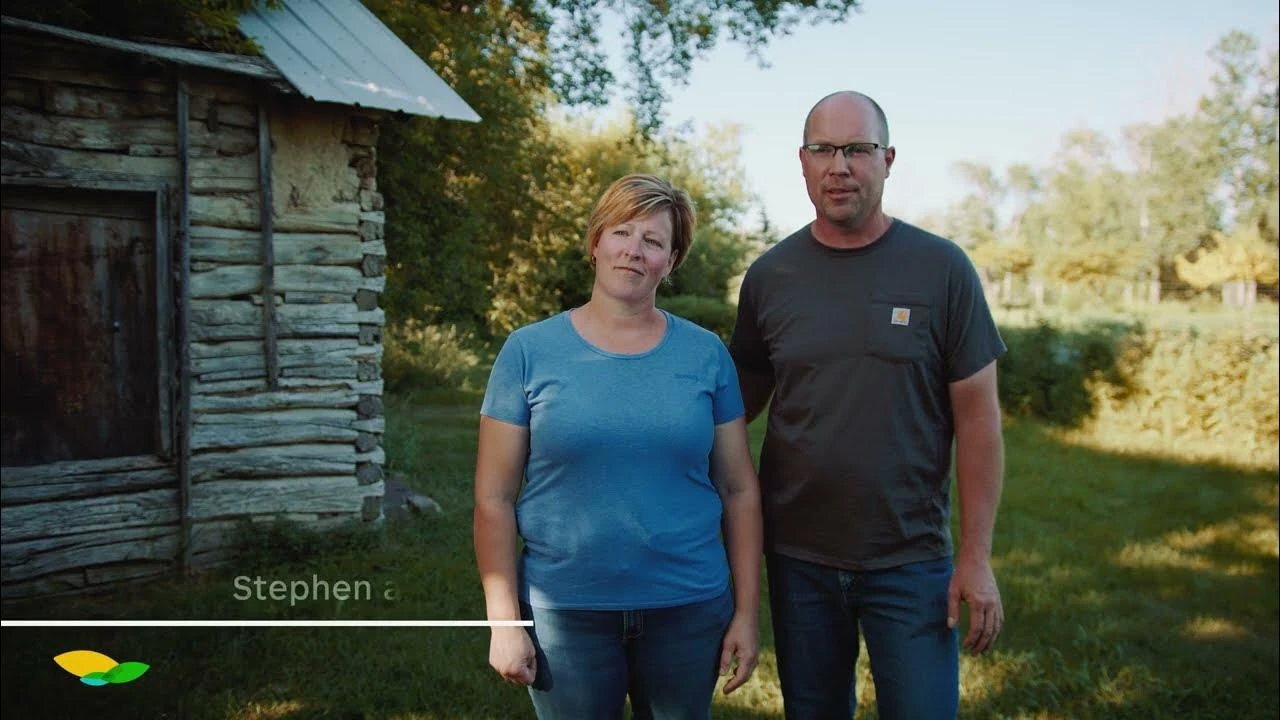
Regenerative Agriculture in Action
Our Title Partner in Regenerative Agriculture

General Mills stands for good — for the people we serve, the brands you love and the planet we depend on.
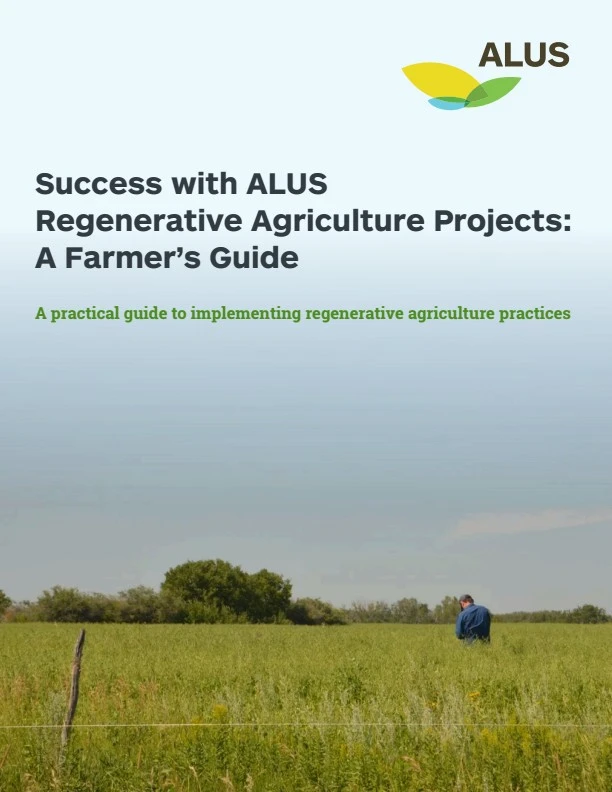
Regenerative Agriculture Guidebook
A practical guide to implementing regenerative agriculture practices
FAQ
What is regenerative agriculture?
What are regenerative farming practices?
What are the benefits of regenerative agriculture?
Is regenerative agriculture sustainable?
How does regenerative agriculture work?
Does regenerative farming work?
Explore More ALUS Projects
Discover some of the nature-based solutions helping communities thrive
Creating Wetlands and Restoring Riparian Areas
Establishing Grasslands
Creating Habitats