Sometimes conservation isn’t about doing more. It’s about waiting.
Every spring, George and Melaney Matheson begin noticing familiar visitors in their hayfields.
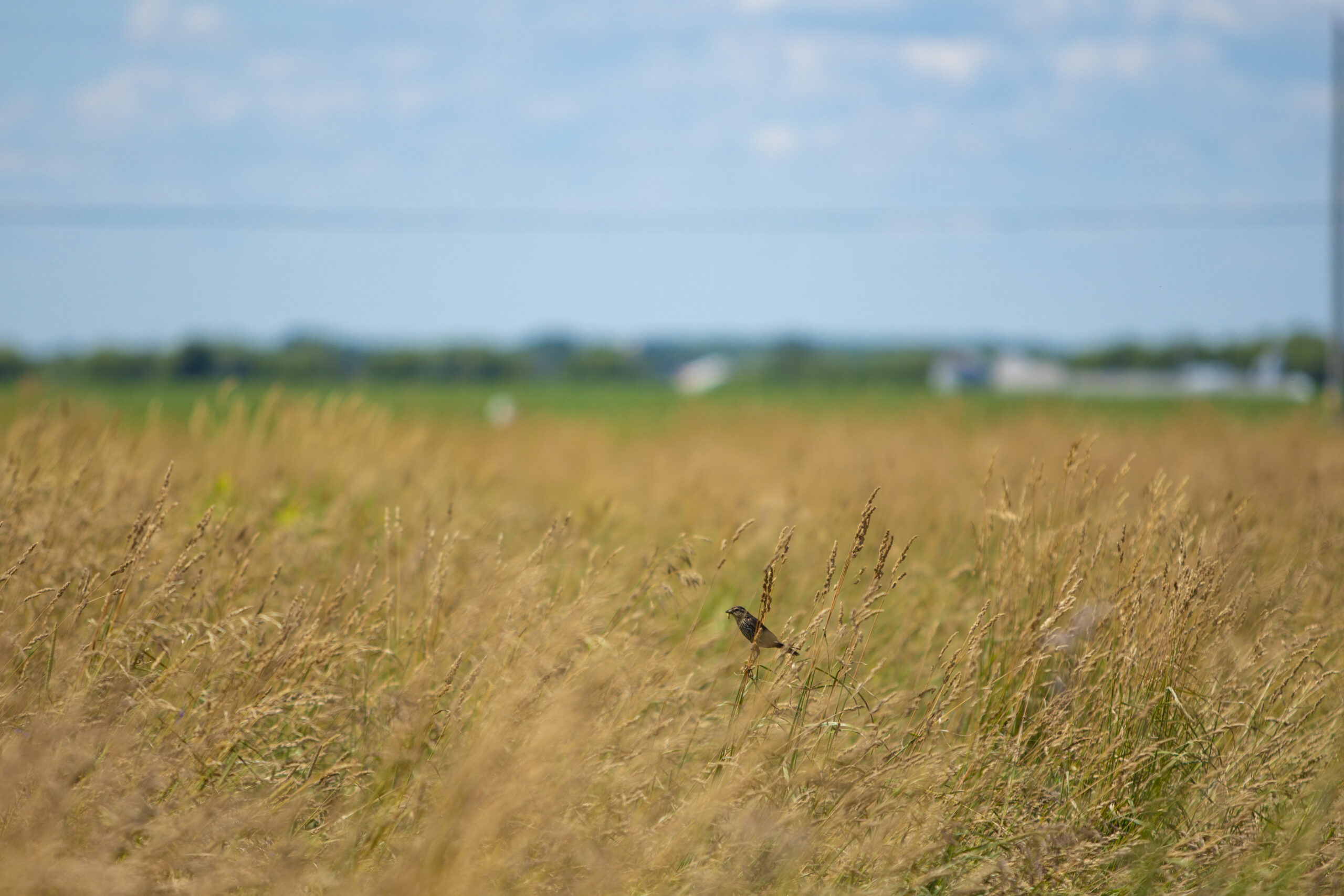
The bobolinks have returned.
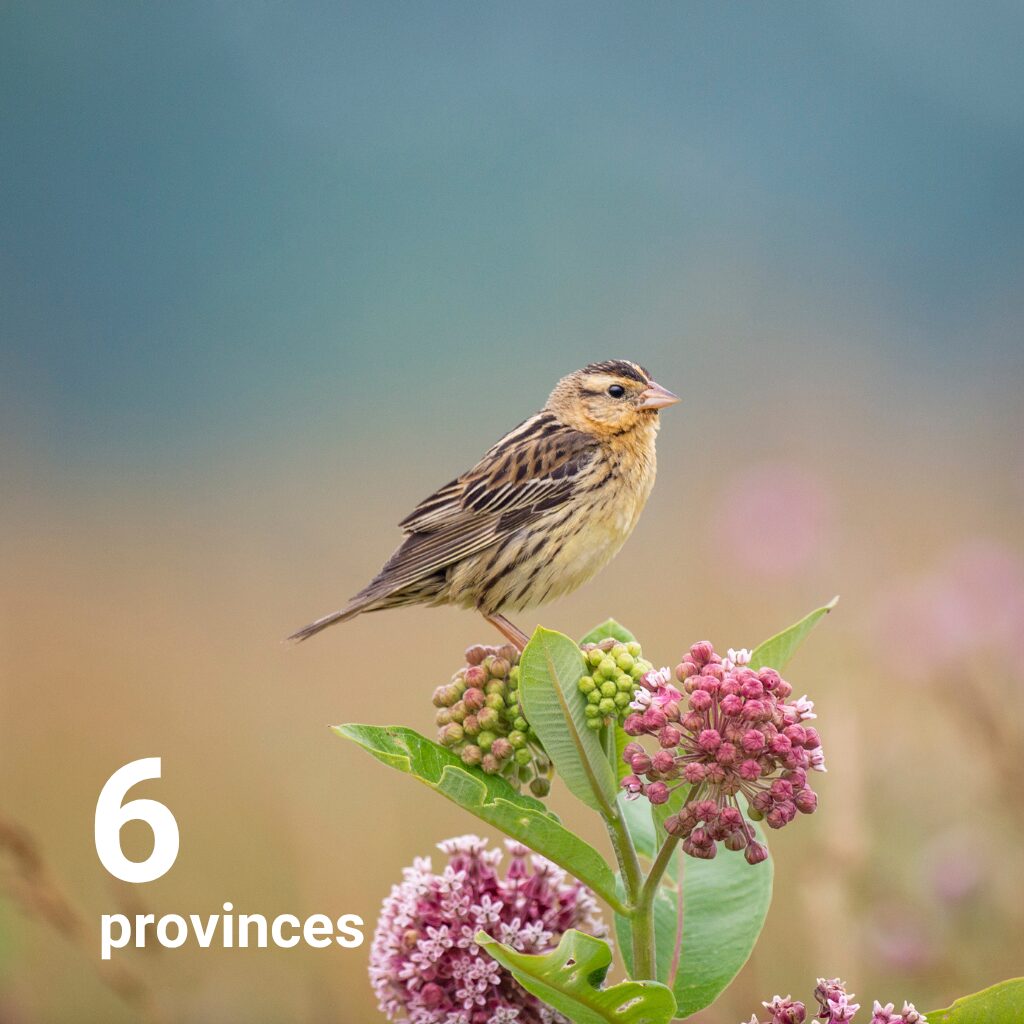
After flying thousands of kilometres from their wintering grounds in South America, these striking songbirds arrive in Prince Edward Island, and throughout southern Canada, looking for one thing: a safe place to raise their young. Hidden among the tall grasses, they build tiny nests, relying on a few extra weeks to give their young the best chance to take their first flight.
For the Mathesons, that means waiting just a little longer to do the season’s first hay cut.
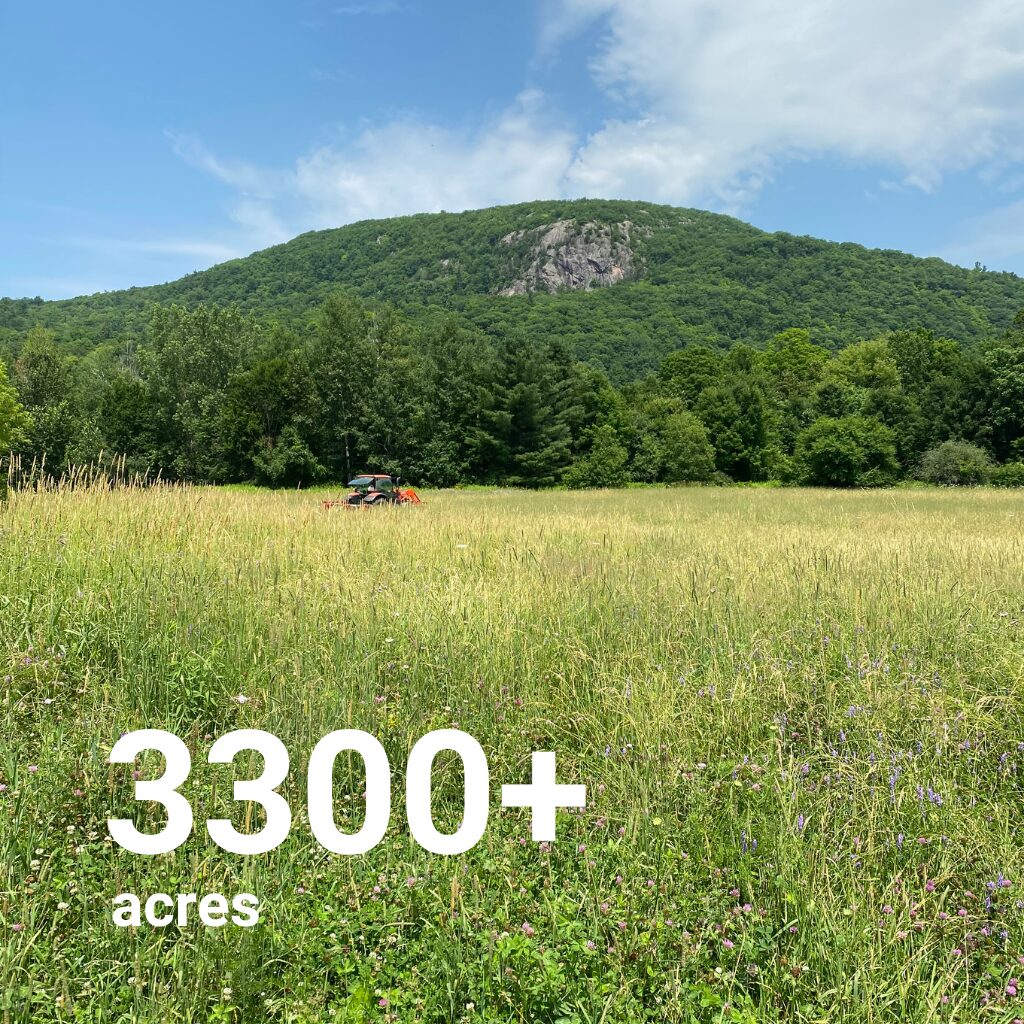
Like hundreds of ALUS farmers across Canada, they delay harvesting part of their hayfields until after July 15, giving young grassland birds enough time to hatch, grow and leave the nest before equipment enters the field. It’s a simple decision with remarkable results.
Bobolink populations in Canada have declined by more than 70% over the past 50 years and are considered a threatened species in Canada. As native grasslands have disappeared, Canada’s farmland has become one of the most important places left for bobolinks to nest. Hayfields now provide critical habitat, making the timing of the first hay cut more important than ever.
Creating Space for Nature
Bobolinks once nested across Canada’s native grasslands, but as our human population has grown and cities have expanded, over 75% of this habitat has been lost. Canada’s farmland has changed over time too, leaving bobolinks to adapt. Now nesting in hayfields and pastureland, bobolinks are now considered a farmland bird.
And, their habitat is shifting again.
As farming practices change, many hayfields have been converted to row crops, making it harder for bobolinks to find suitable nesting grounds. This makes farmers who grow hay and maintain pastureland some of the species’ strongest allies.
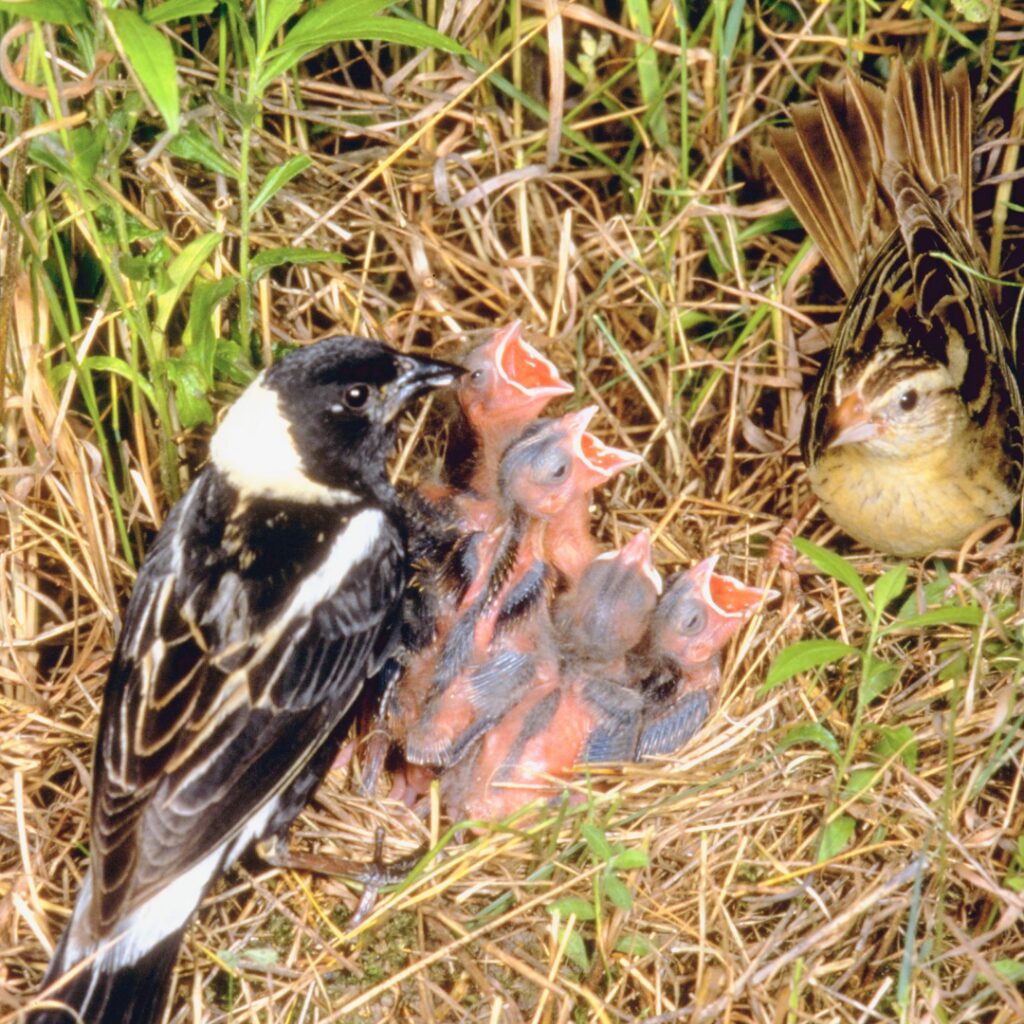
Every spring, bobolinks return to these fields to build their nests on the ground and raise a single brood of young. But they need time. If hay is cut before the chicks are ready to fly, entire nests can be lost.
By mid-July, most young bobolinks have fledged, making a delayed first hay cut one of the most effective conservation actions available for this threatened species.
Protecting bobolinks depends on the people caring for these fields.

Farmers Making a Difference
For farmers, delaying harvest is a meaningful commitment.
Waiting often means passing up ideal weather conditions and harvesting older, lower-quality forage. Yet every year, ALUS farmers choose to create space for nature while continuing to operate productive farms.
George and Melaney know the reward is worth the wait.
The couple operates Springwater Farm in Prince Edward Island, where they raise sheep and produce hay and straw. They often spot bobolinks while walking their dogs through the fields each spring.
Speaking with CTV News, Melaney said she always looks forward to the birds’ return.
“I just think they’re really fascinating,” says Melaney. “They have a really neat song. They bob along in the air when they fly.”
The farm includes more than 300 acres, with approximately 25 acres dedicated to delayed haying through ALUS.
She told CTV News that one of her favourite moments comes when the young birds leave the nest.
“You can tell when they fledge, when the babies come out of the nest, because all of a sudden there’s all kinds of them,” she says. “And then one day you go for a walk and they’re all gone. Literally.”
Their story is being repeated on farms across Canada, where ALUS farmers are creating space for nature while continuing to run productive farms.

Through ALUS, participating farmers receive financial support and technical guidance that recognize the environmental benefits they provide. The program helps farmers protect important habitat while keeping farmland productive.
“Conservation doesn’t have to mean taking farmland out of production,” says Jordan Sinclair, CEO of ALUS. “Every year, ALUS farmers show that working farms can also provide important habitat for wildlife. Delayed haying is a powerful example of what happens when we invest in farmers as partners in conservation.”
Every Field Tells a Story
If you walk through one of these hayfields in early July, you may never notice what’s happening beneath your feet.
Hidden among the grasses are tiny nests, quietly waiting.
A few extra weeks can mean the difference between chicks taking their first flight and never leaving the nest at all.
Sometimes the most meaningful conservation actions are also the simplest.
A farmer waits. A field stands. A species gets another chance.
Learn More
Across Canada, ALUS farmers are creating new acres of nature on farmland while strengthening their farms and communities.