
Wetlands on Farm Fields
Rod, ALUS Wheatland
Wetland Restoration and Creation
Across Canada, ALUS farmers are restoring wetlands and creating new acres of nature on farmland.
Jerremie & Rita, ALUS Mountain View County
Trent’s wetland, ALUS Vermillion River
What is a Wetland?
Healthy wetlands also deliver important environmental benefits that support resilient farms and communities.
Explore the potential of wetlands on your farm
Benefits of Wetlands on Farms
Keith & Joni, ALUS Grey-Bruce
Improve Water Quality
Naturally filter sediment, nutrients and pollutants before they enter rivers, lakes and groundwater systems.
Reduce Flood and Drought Risk
Slow and store water during heavy rainfall and help retain moisture during dry periods.
Reduce Erosion
Slow water movement and reduce erosion across agricultural landscapes.
Support Biodiversity
Provide habitat for birds, pollinators, fish, amphibians and other wetland organisms.
Store Carbon
Capture and store carbon while supporting climate resilience across landscapes.
Strengthen Agricultural Resilience
Improve long-term environmental conditions on working farmland.
Why Wetland Restoration Matters
Historically, many wetlands were drained or altered to expand workable farmland and support development. As a result, a significant portion of wetlands across southern Canada have been lost.
The removal of wetlands has contributed to declining water quality, increased downstream flooding and the loss of important wildlife habitat.
Today, wetland creation and wetland restoration projects are increasingly recognized as practical, nature-based solutions that support biodiversity, climate resilience and healthier agricultural landscapes.
Wetland project, ALUS Norfolk
Wetland Restoration Projects
John’s wetland, ALUS Elgin
ALUS works with farmers and communities across Canada to create, restore and enhance wetlands on agricultural landscapes.
Projects can include:
- Creating wetlands
- Restoring drained wetlands
- Planting native wetland vegetation
- Creating buffer areas around wetlands
- Installing alternative livestock watering systems
- Managing invasive species
These wetland restoration projects help create healthier ecosystems while delivering measurable environmental benefits for communities and watersheds.
Create new acres of nature
Wetland restoration projects improve water quality, strengthen biodiversity and support resilient landscapes across Canada.
Together, ALUS communities are creating new acres of nature on farmland — for the benefit of all Canadians.
Bringing Back Wetlands on Farms
Restoring a wetland often starts with removing drainage features and replanting the area with native wetland species.
Creating a wetland is done by excavating an area of the farm that naturally collects exposed groundwater or surface run-off.
Wetland enhancement and maintenance requires ongoing monitoring for invasive species and bank erosion. Detecting invasive species early is the fastest and most cost-effective way to ensure wetland health. ALUS communities provide ongoing support and access to technical expertise to help with wetland management.
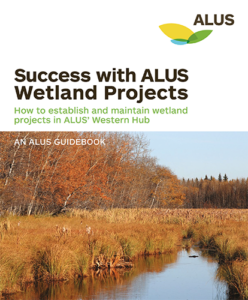
Wetlands Guidebook
ALUS has created informative guidebooks for its Eastern and Western communities
Learn more about wetlands in Canada
Learn more about wetlands in the USA
FAQ
What is a wetland?
What is a riparian area?
Why are wetlands important?
What types of animals live in wetlands?
How do wetlands improve water quality?
How are wetlands restored?
What are the benefits of wetlands on farms?
Explore More ALUS Projects
Discover some of the nature-based solutions helping communities thrive
Regenerative Agriculture
Establishing Grasslands
Creating Habitats