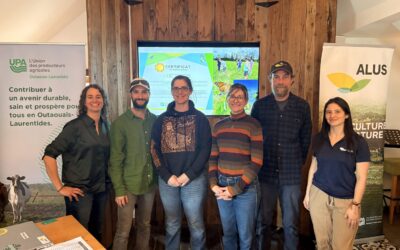
ALUS continues its collaboration with the regional UPA federations of Montérégie, Chaudière-Appalaches and Outaouais-Laurentides to support the protection of species–at–risk in Quebec.
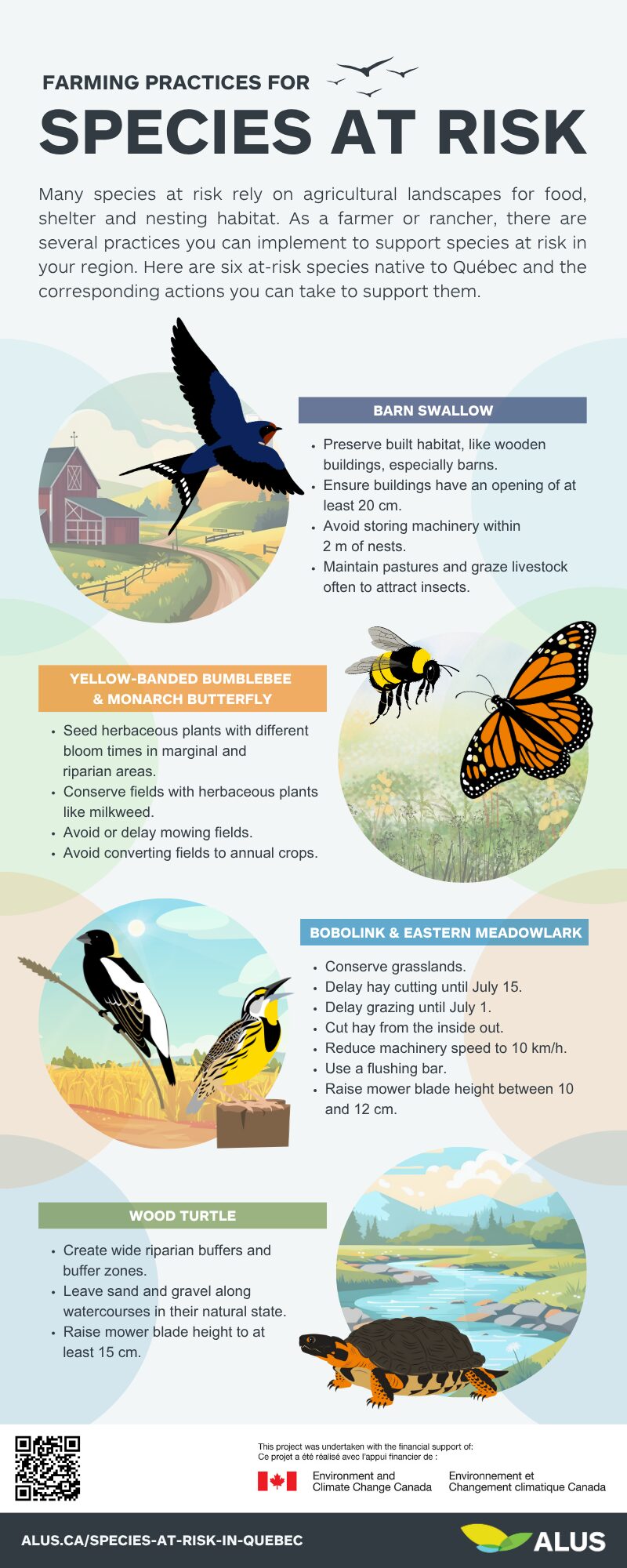
QUEBEC, CANADA, June 2, 2025 — Thanks to funding from Environment and Climate Change Canada, ALUS has developed tools for communicating and raising awareness of agricultural practices favourable to species-at-risk in Quebec. These bilingual resources, including a booklet, factsheets, videos and an interactive guide, are available on the ALUS and regional UPA federations’ websites. The tools help farmers and ranchers identify species at risk in their region and adopt management practices to support them.
The communication tools focus on 36 species-at-risk in Canada, listed on Schedule 1 of the Species at Risk Act. These species are found in Montérégie, Chaudière-Appalaches, Outaouais, the Laurentians, Laval and Montreal. They include grassland birds (eastern meadowlark), pollinating insects (yellow-banded bumble bee and the monarch butterfly), amphibians and reptiles (western chorus frog and the wood turtle), and certain bat species.
Agricultural lands provide food, shelter and nesting sites for several species-at-risk in Quebec. Many ALUS participants have joined their local program, because they know the importance of protecting these species and their habitats. By adopting certain practices, such as creating wider riparian buffers, restoring forests or grasslands, delaying hay cutting, preserving old buildings and restoring nesting habitats, farmers and ranchers can have a significant impact on species-at-risk populations.
These species are often native to the local ecology and consequently they offer numerous benefits to the agricultural landscape; grassland birds and bats are natural predators, while native insects ensure pollination and soil health. The presence of certain species is an excellent indicator of a healthy ecosystem.
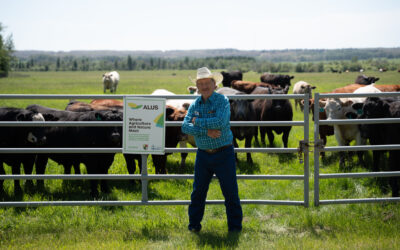
“It’s clear that biodiversity in general needs our attention. Getting to know these species makes it easier for farmers to take the right actions to protect them. I’m convinced that our children will benefit from our stewardship of biodiversity in the future. For that to happen, we need to take action now.“
– Carl Poirier, co-owner of Ferme HLF du Lac-Simon and ALUS Outaouais participant
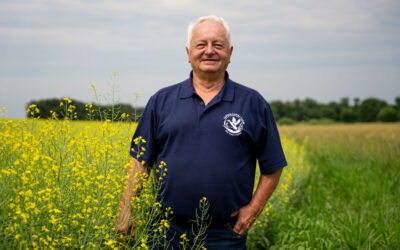
Farmers and ranchers who decide to implement ALUS projects on their land are making a real difference to the environment, whether it’s a delayed haying project in the Montérégie region or an initiative to protect the monarch butterfly in the Outaouais region.
Farmers and ranchers who would like to receive technical and financial support for your species at risk project can contact their regional UPA federation.
To view the communication toolkit and learn more about species at risk:
>> Farming Practices for Species at Risk