Farmers and ranchers are on the frontlines of climate change. Here’s how Wawanesa is helping them build climate resilience on their farms and in their communities one acre at a time.

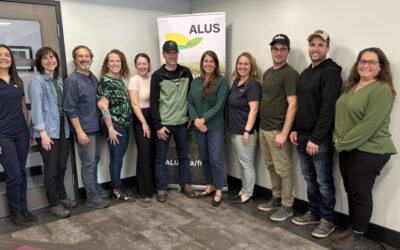
A field tour in ALUS Peel in October 2024. (photo: DA Photography)
Whether it’s fighting flood, drought, wind or wildfire, farmers and ranchers across the country are finding ways to adapt to an ever-changing and unpredictable climate. One of the fastest and multi-beneficial ways to do this is to create, restore, and enhance natural areas on the farm to create natural infrastructure that reduces weather-related risks, while also supporting soil health, water quality, and biodiversity.
Wawanesa recognizes the power of on-farm nature-based solutions for building rural community resilience. Since the launch of Wawanesa and ALUS’s partnership in 2023, the Canadian mutual company has supported the creation of 225 acres of nature on working lands in four ALUS communities in Alberta and Ontario. These communities were identified as being prone to severe weather risks, like flood and wind damage.
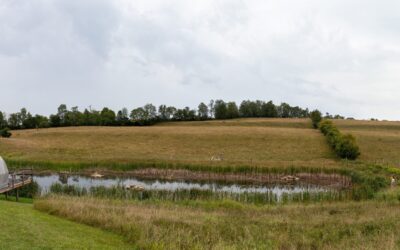
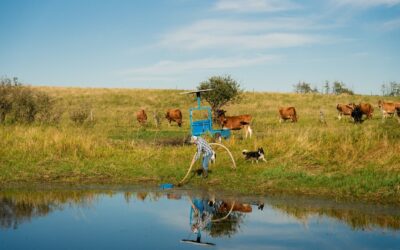
With Wawanesa’s support, 30 farmers and ranchers in these regions have been able to establish nature-based projects, like wetlands, riparian buffers, and windbreaks, to reduce weather-related risks on their farms, enhance the ecological function of a local watercourses, establish wildlife habitats, and prevent wind and water erosion.
Here’s the story of two of the many ALUS farmer-rancher climate champions Wawanesa has supported.
Gary and Debbie in Caledon, Ontario
Gary and Debbie, Ontario farmers and participants of the ALUS Peel program, own a property that is home to significant features of their watershed’s natural heritage system. To protect an existing watercourse, reduce soil erosion, and reduce the risk of flooding, Gary and Debbie planted a mix of trees and shrubs to create a riparian buffer. To add additional forest cover, they planted more trees and shrubs with support from ALUS Peel and Wawanesa. These trees and shrubs create linkages between existing woodlands, and provide greater wind and water erosion control, improve soil health, and regulate the water cycle.
The benefits of these projects extend well beyond the farm field. They produce several co-benefits for the surrounding rural community, including:
- Groundwater recharge to support drinking water quality and quantity.
- Food and shelter for beneficial insects and other wildlife, like local and migrating birds.
- Reduced soil erosion and nutrient run-off to protect local streams and rivers.
- Reduced blowing snow and hazardous snow drifts.
- Reduced damage from severe wind and ice storms.
Building on-farm resilience to climate-related events doesn’t just benefit the farmer, but all Canadians. With support from Wawanesa, ALUS farmers and ranchers are building rural community climate resilience in some of the regions where it’s needed most.