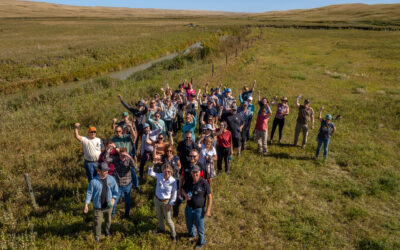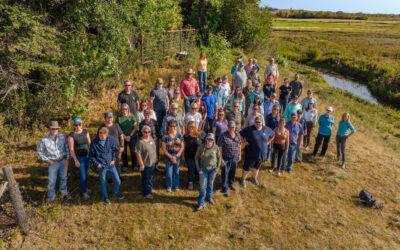
Farmers and ranchers working with ALUS are contributing important support to species at risk in the unique ecological region Carolinian Zone of Ontario, a biodiversity hotspot.
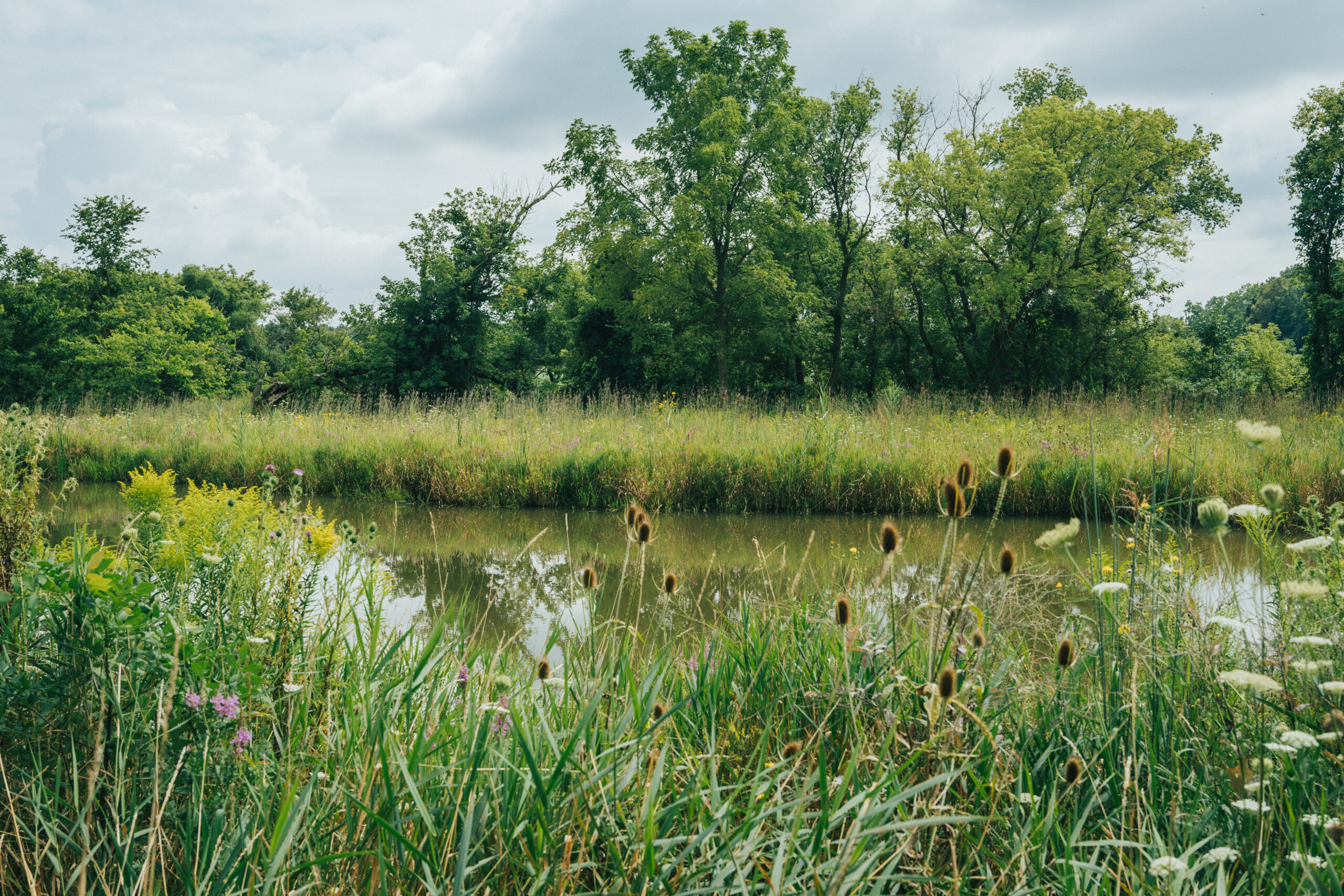
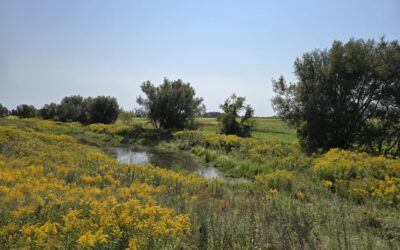
TORONTO, ON, July 28, 2025 — Environment and Climate Change Canada (ECCC) has provided ALUS in Ontario with over $960,000 in funding through the Priority Places for Species at Risk Initiative. The funding is targeted at a variety of critical habitats. Grasslands, wetlands, forests, treed swaps, and other watercourses have been enrolled into the ALUS program across the Carolinian Zone.
“Through the Priority Places for Species at Risk Initiative, we are working collaboratively with communities across Canada and providing funding to help organizations like ALUS, local farmers, and ranchers to conserve biodiversity and support species at risk recovery in their local areas”, says the Honourable Julie Dabrusin, Minister of Environment and Climate Change. “Healthy ecosystems are an investment in our future, as they contribute to climate resilience and agricultural productivity, helping communities thrive while safeguarding nature for future generations.”
Farmers are working with ALUS to create, enhance and maintain projects on their properties for the benefit of their communities. By undertaking these projects, farmers in the Carolinian Zone are contributing to broader ecological resilience, protecting against invasive species, and supporting habitat for native species.
“The success of the ALUS program across Ontario, and especially in the Carolinian Zone, reflects the insight of the farming community into the importance of a healthy environment and their willingness to take action,” says Alyssa Cousineau, Senior Hub Manager, Great Lakes, for ALUS. “It’s amazing to see the impact these projects have on nature in and around the farms where they exist.”
The communities of ALUS Chatham-Kent, ALUS Elgin, ALUS Lambton, and ALUS Middlesex have all received funding to deliver project outcomes, spanning a broad geography across the Carolinian Zone and impacting over 800 acres (over 300 hectares) of nature.
Native species at risk in the region that benefit from this work include Bobolink, Eastern Meadowlark, Grasshopper Sparrow, Henslow’s Sparrow, American Badger, Monarch, Bank Swallow, Blanding’s Turtle, Snapping Turtle, Spiny Softshell, Eastern Foxsnake, Eastern Hognosed Snake, and the Eastern Milksnake, among others. Many of these species have been identified on or near ALUS project sites by participating farmers, as well as local environmental experts.
Jamie Littlejohn is a participant in ALUS Middlesex who has over 10 acres enrolled in the ALUS program and is committed to improving the health of Lake Erie.
Across the ALUS communities supported by this funding, there are over 300 participants like Jamie Littlejohn working to benefit the health of the environment on their farms and in their communities.
About ALUS
ALUS envisions a future where all farmers and ranchers produce ecosystem services from nature-based solutions alongside food and fibre to help solve the crises of biodiversity loss and climate change. Through its turn-key community-developed, farmer-delivered program, ALUS supports more than 360 community leaders across 42 ALUS communities in helping close to 2,200 farmers and ranchers build and actively manage 57,200+ acres of nature-based projects. These projects, like wetlands, grasslands and tree and shrub plantings, help capture carbon, keep lakes, rivers and streams clean, provide food and shelter for wildlife, and better prepare communities for extreme weather events like flood and drought.
Through ALUS Nature & Climate Solutions, businesses, governments and organizations invest in new acres of nature created on agricultural land to generate positive environmental, economic and social outcomes in the communities where they operate—one acre at a time.