
Nature-based solutions are ways the environment can be utilized or mimicked to solve problems
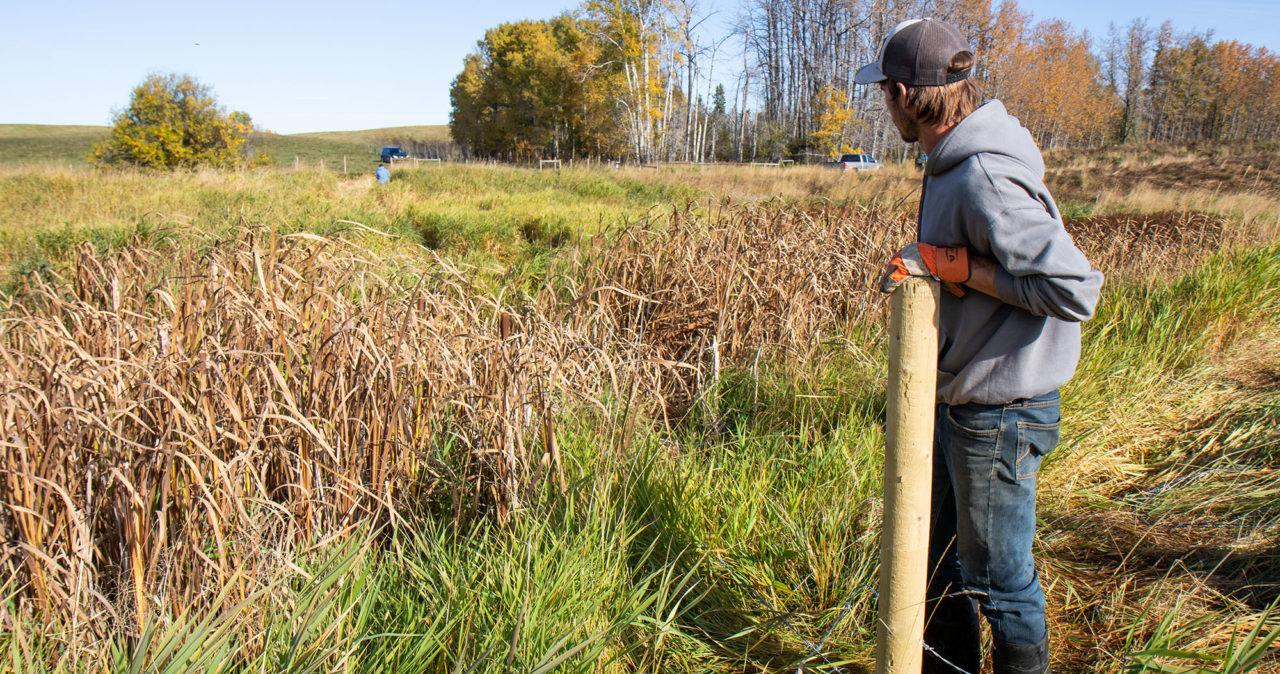
Working with Nature
Nature-based solutions is a term that refers to what communities can do to meet challenges in ways that are inspired by the environment. ALUS helps farmers and ranchers use their land to help address problems they or their community are experiencing (flooding, erosion, etc.) for the benefit of their productive land and to the benefit of the local environment.
One type of nature-based solution might be tree and shrub planting. Tree and shrub buffers planted along a riverbank can help prevent the erosion of topsoil into that river, which in turn can keep excess amounts of certain nutrients (phosphorus and nitrogen) out of the water, reducing fouling of waterways and improving fish habitat. This upgrades water quality and prevents problems in water supply, directly impacting water treatment costs and health and social issues associated with poor water quality.
This is, of course, a simplified description of these kinds of solutions, but the impacts of this work are cumulative. By increasing stream and river buffers, we can create nature-based solutions on a large scale and have an even bigger positive impact on the environment.
Wetland creation is another amazing nature-based solution that the ALUS program and its participants provide. Wetlands act as water catchment systems which can capture stormwater, reduce nutrient loads and create diverse wildlife habitat. Wetlands can slow down the movement of water into our streams and rivers and reduce flooding downstream, as well as increase water retention on the landscape to mitigate drought.
Nature-based solutions can have a broad swath of impacts that help build resilience and improve society, environmental and human health, and economies. For example, less flooding means fewer damages, reduces the likelihood of damages to property and infrastructure and helps ease the burden on everyone’s pocketbooks.

Interested in how ALUS could work in your community?
Visit our FAQ Page to learn more about the program and how farmers, ranchers, and community representatives build the ALUS program.
How a Few Extra Weeks Can Save a Species
Sometimes conservation isn't about doing more. It's about waiting. Every spring, George and Melaney Matheson begin noticing familiar visitors in their hayfields.The bobolinks have returned. After flying thousands of kilometres from their wintering grounds in South...
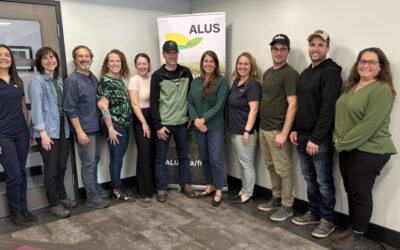
ALUS Welcomes Estrie as the Newest ALUS Community
ALUS is proud to announce the launch of ALUS Estrie, a new community led by UPA–Estrie in collaboration with regional partners. This marks an important step in the continued growth of the ALUS network across Quebec and Canada.From left to right: Jennifer Loschiavo,...
Ontario investment supports farmers restoring habitat for species at risk across 885 acres of farmland
ALUS is celebrating the successful completion of a multi-year investment from the Ontario Ministry of the Environment, Conservation and Parks (MECP), supporting farmers to restore and steward important habitat for species at risk across the...